
At a glance
- Compare quotations line by line against one written spec: material grade, coating, fixings, included accessories.
- The biggest price gaps come from what is omitted - steel grade, coating layers, gauge thickness, liners and anchors.
- Ask each supplier to fill the same specification table; an incomplete answer is itself information.
- Weigh total cost of use - cleaning, recoating, spare slats - not just the purchase price.
What should a complete outdoor furniture quotation include?
A trustworthy quotation for a litter bin, a bench or a planter answers five questions without being asked. What is the structure made of - and at what grade, because "stainless steel" without a number says nothing? What is the coating system, and is it one layer of paint or a zinc-rich primer plus a powder topcoat? What are the contact surfaces - hardwood, composite or steel slats, and how are they fixed? What is included in the price - inner liner, lid, ground anchors, installation hardware? And how is it packed for export or site delivery?
If a quotation skips these fields, the buyer fills in the gaps with assumptions, and the lowest-priced offer usually wins by exploiting exactly that. A useful discipline is to send every supplier the same blank specification table and ask them to complete it. This turns three vague offers into three comparable datasheets, and the suppliers who answer in detail are generally the ones whose production matches their paperwork. The product ranges on our outdoor furniture catalogue list the specification fields we consider essential for outdoor litter bins and park benches - you can use them as a template.
Where do quotations most often hide the real cost?
The classic omissions are material and process downgrades. A quote may say "stainless steel bin" while specifying 201-grade steel, which corrodes visibly outdoors where 304 does not - the material difference is covered in our comparison of stainless steel versus powder-coated steel bins. On benches, "wood slats" can mean softwood, hardwood or composite, and the difference in service life is measured in years; the trade-offs are set out in our bench slat material comparison. On coatings, a single decorative layer ages nothing like a zinc-prime-plus-powder system, which is why we dedicated a full article to powder coating versus fluorocarbon coating.
Then come the accessories that only appear on site: bins quoted without inner liners, benches without anti-tamper fixings, planters without drainage holes or anchoring plates. Each omission is small on paper and expensive in practice - crews improvising liners, seats loosening within months, planters staining paving. Finally, check the logistics column: packing configuration, container loading quantity and whether spares are included. A quote that ignores packing will surface that cost later, either as freight surprises or as goods damaged in transit.
Which specification details separate like-for-like offers?
Put the offers side by side and walk down the same rows. The table below lists the fields where misleading quotations most often diverge from solid ones:
| Quotation item | What a complete offer states | Red flag wording |
|---|---|---|
| Frame material | Grade and gauge, e.g. 304 stainless or galvanised steel with stated thickness | "Steel", "stainless", no grade or thickness given |
| Surface finish | Full system and layer count, e.g. zinc primer + polyester powder, film thickness | "Outdoor paint", single word, no system named |
| Slats / panels | Species or composite type, section size, fixing method | "Wood-look", "composite", unexplained |
| Included parts | Liner, lid, anchors, hardware listed per unit | "Excludes accessories" buried in fine print |
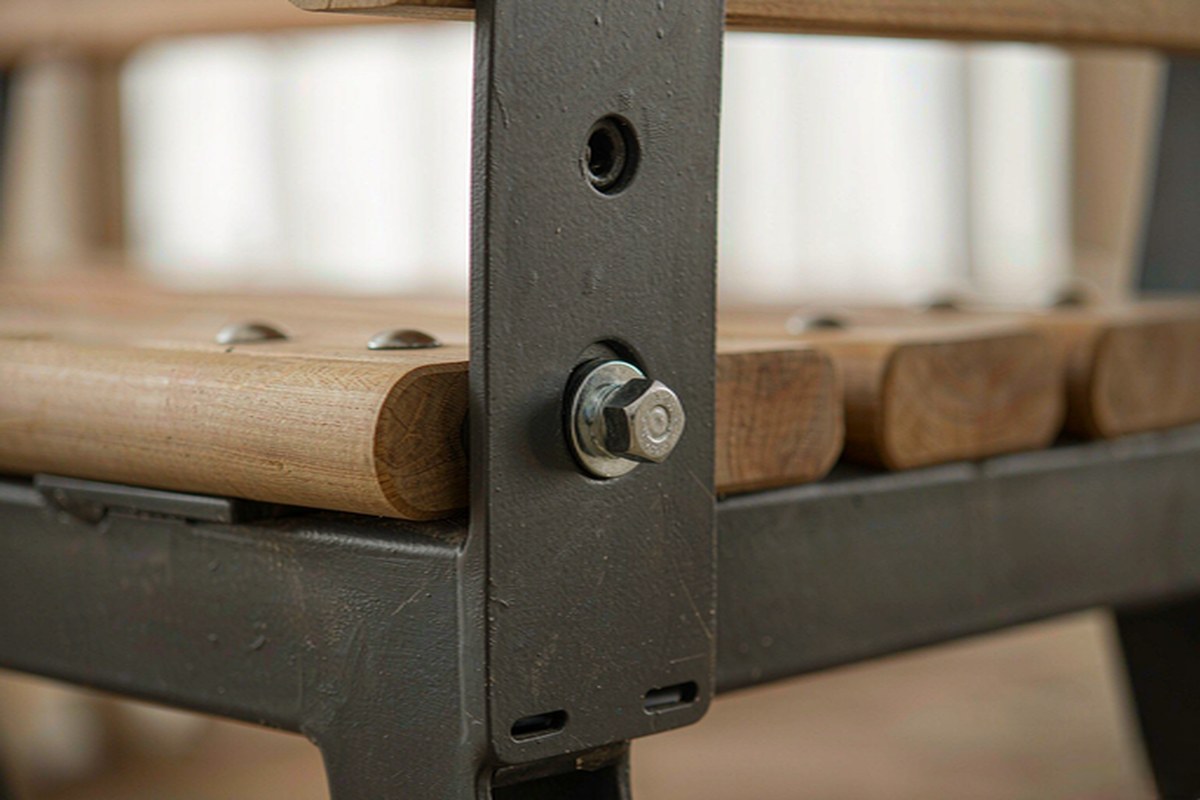
One more habit is worth adopting: ask for photographs or a sample of the actual production unit, not only renders. A render cannot show weld quality, coating texture or slat fixing. If the programme matters, buy one sample unit before the batch - the sample price is trivial against the cost of furnishing a street with the wrong product.
How do you judge the total cost, not just the price?
Purchase price is one number in a much longer equation. Over a five-year horizon the costs that move are cleaning and inspection labour, coating touch-ups, spare slats and liners, and the disruption of replacing failed units early. A bin built with a proper coating system and a removable liner costs more up front and less every month after - the maintenance logic is the same one we describe in our guide to preventing rust on outdoor steel furniture. Warranty wording is part of this picture: what is covered, for how long, and against what - our article on outdoor furniture warranty terms explains the ranges the industry commonly offers.
When the spec is matched, the quotation comparison becomes short: identical rows, prices you can defend, and a supplier who answered every field without hesitation. If you are preparing a tender or comparing offers right now, send us the specification you received - we will return a completed line-by-line version for our products so you can see exactly what each price includes. You can also browse the installations on our projects page to see how the same products behave in municipal streets, parks and transport hubs.
Frequently asked questions
- What is a like-for-like quotation for outdoor furniture?
- A like-for-like quotation states, for every line item, the material grade, coating system and thickness, slat or panel material, fixing type and the included accessories - liner, lid, anchors - in the same units. When two offers fill in the same fields, the difference in price reflects real differences in what is being supplied.
- Why do outdoor furniture quotes vary so much in price?
- Most price gaps come from what is not written down: 201 versus 304 stainless steel, single-layer paint versus a zinc-prime plus powder system, thin-gauge steel, missing liners or anchors, and differences in coating thickness or slat material. Each of these changes both the price and the service life of the product.
- What questions should I ask an outdoor furniture supplier?
- Ask for the steel type and thickness, the full coating system and its thickness, the slat material and fixing method, whether liners, lids and anchors are included, the packing configuration, the warranty terms, and photos or samples of the actual production unit rather than only renders. Written answers to these questions make two quotations directly comparable.
Comparing offers right now? Send us the quotation you received and we will complete the spec line by line.
Get a quote