

Litter bin lid types: open top, hooded or flip-top
How open tops, hooded openings and flip-top lids trade disposal speed against rain, wind-blown litter and cleaning access, with real LVEN models.
Read the case studySpecification notes and application guides from public-space furniture programmes — what was installed, why that material was chosen, and what to watch out for on site.
How open tops, hooded openings and flip-top lids trade disposal speed against rain, wind-blown litter and cleaning access, with real LVEN models.
Read the case study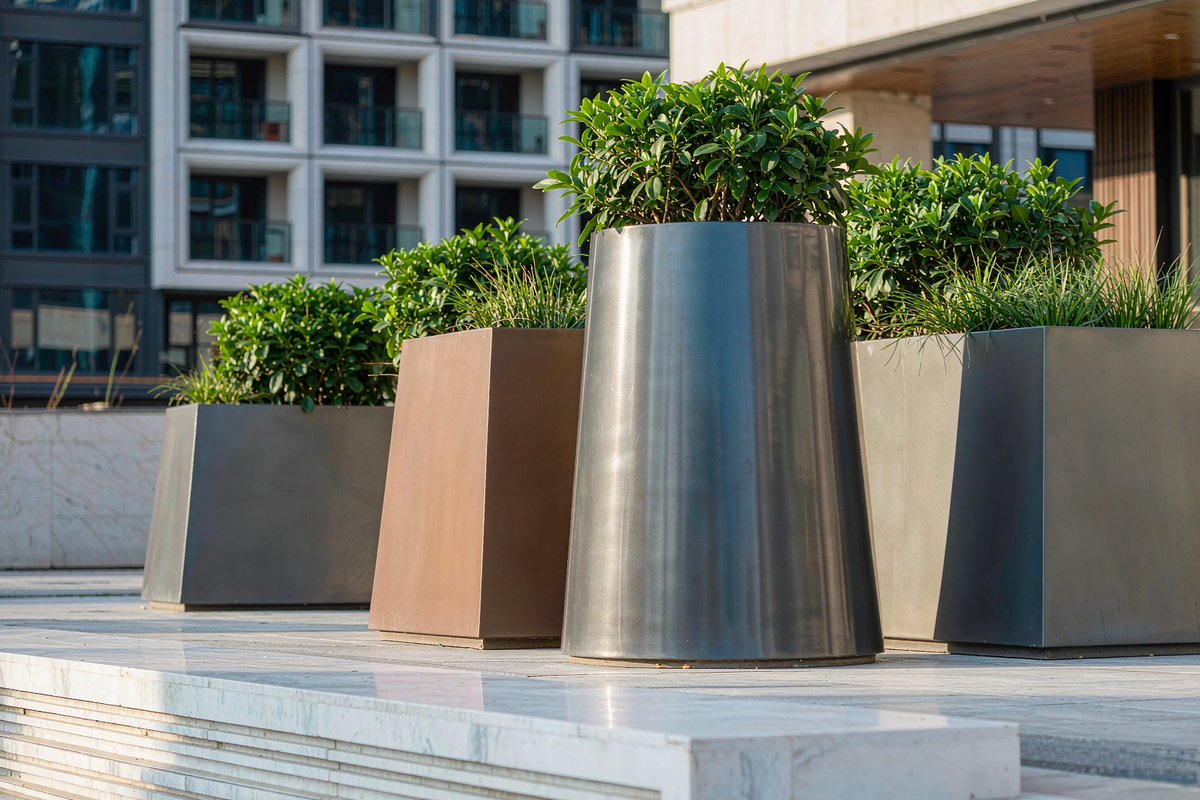
Calculate the soil volume a planter really holds, deduct for drainage and settling, and match depth to shrubs, grasses and bedding.
Read the case study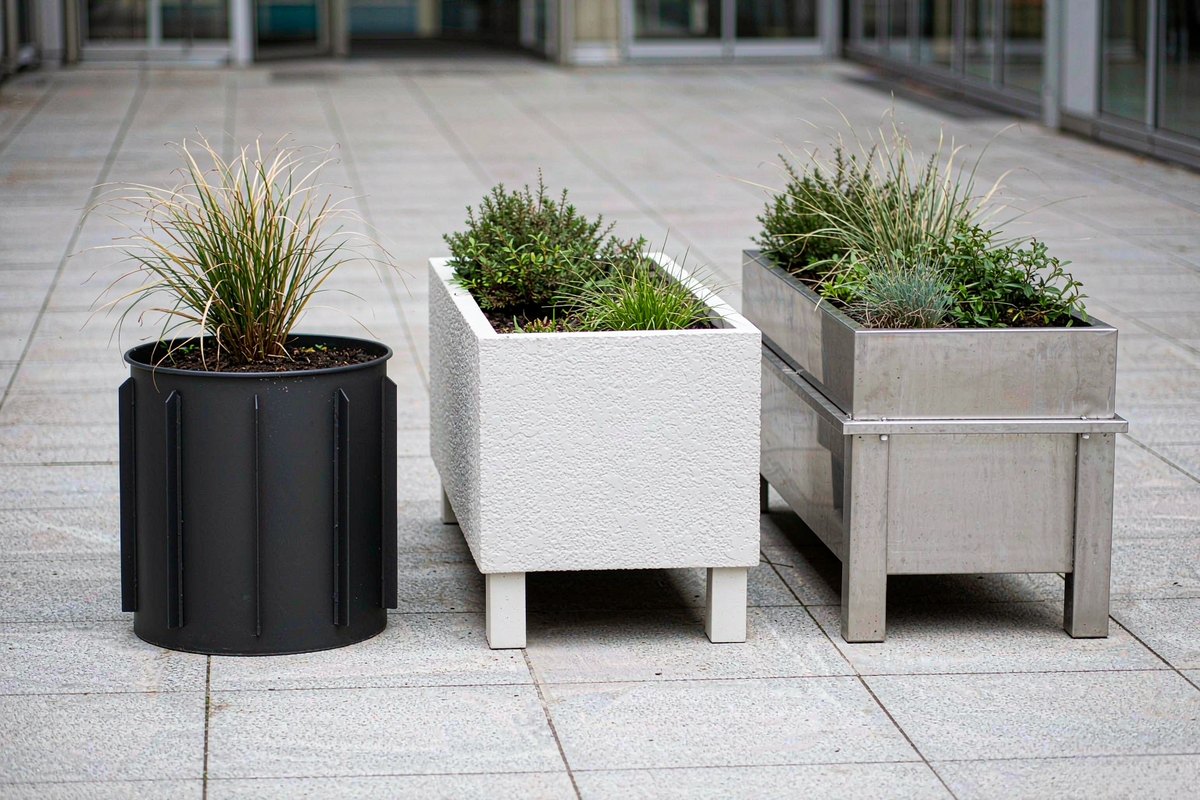
How the three metals differ on corrosion, weight, finish and repair, with real LVEN models and sizes for each.
Read the case study
The 8-12 mm working range, how timber, composite and metal slats behave, and how to keep gaps even on site.
Read the case study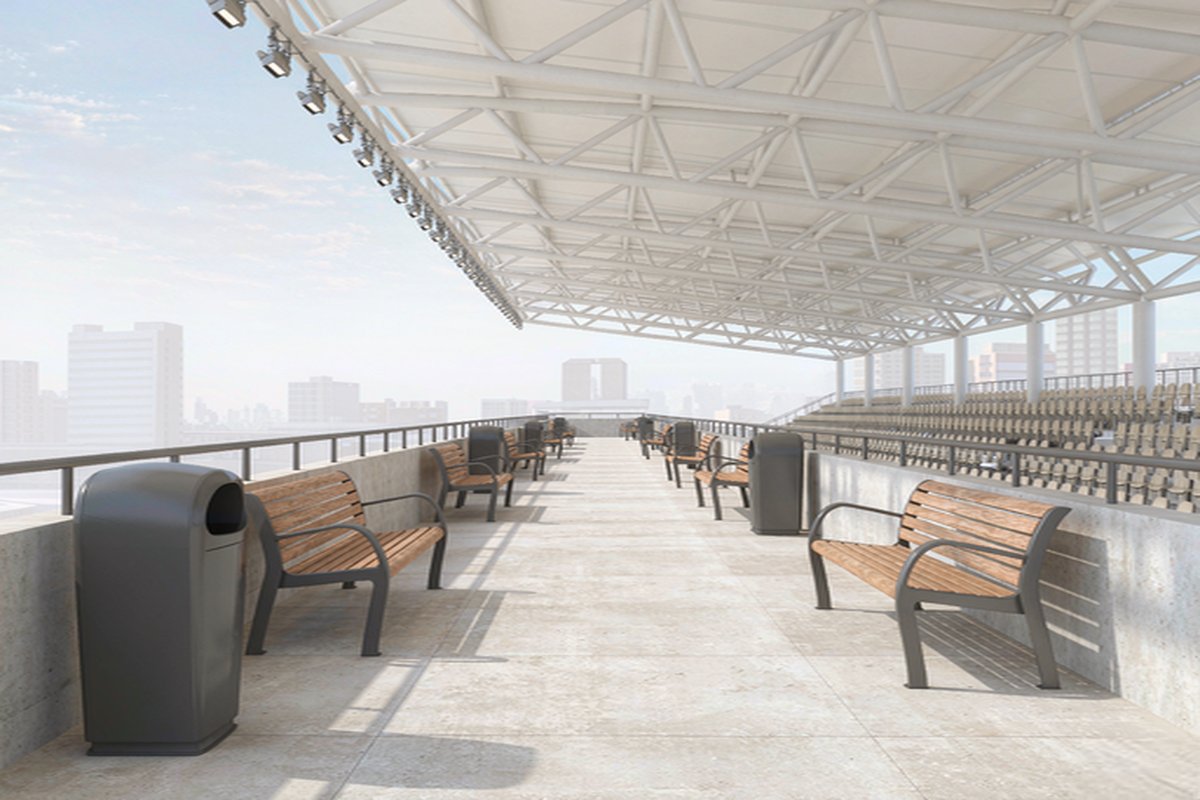
Bin clusters, concourse benches, sorting stations and ash columns - a zone-by-zone guide with real LVEN dimensions.
Read the case study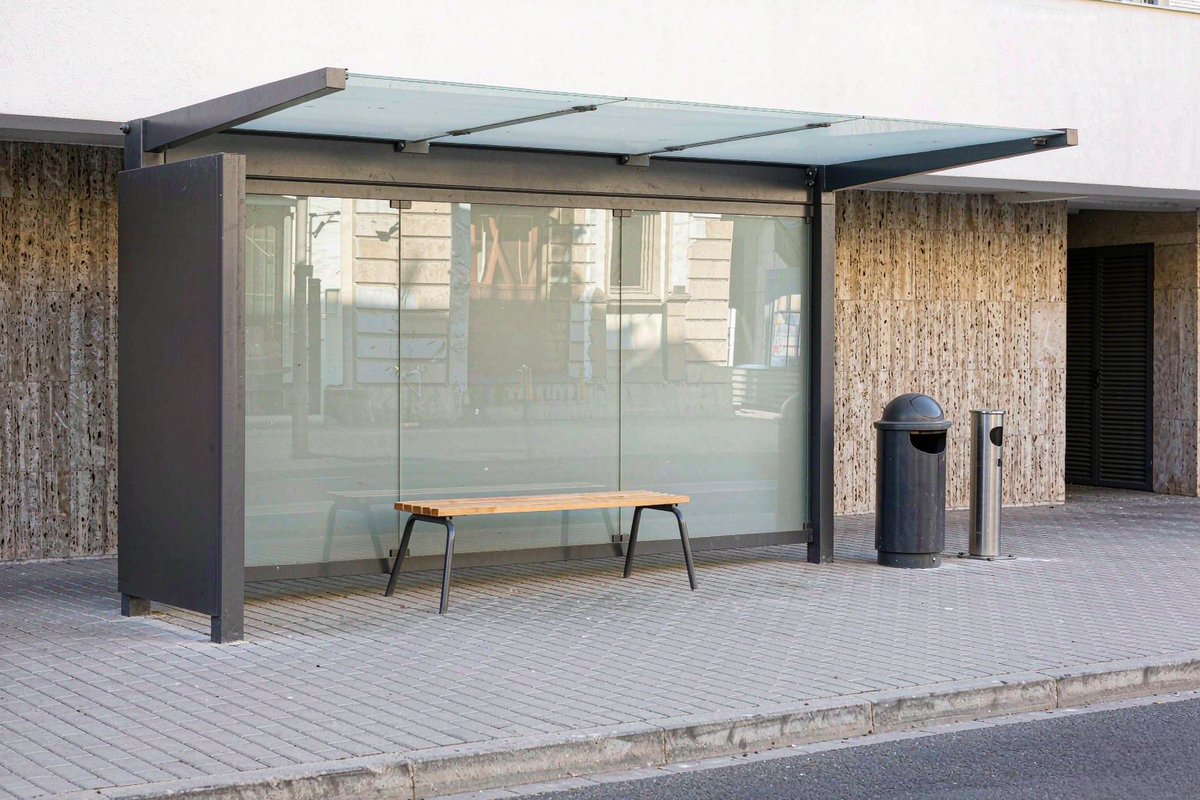
Bench, bin, ash column and bike rack choices for every stop tier - neighborhood, district and interchange - with real LVEN dimensions.
Read the case study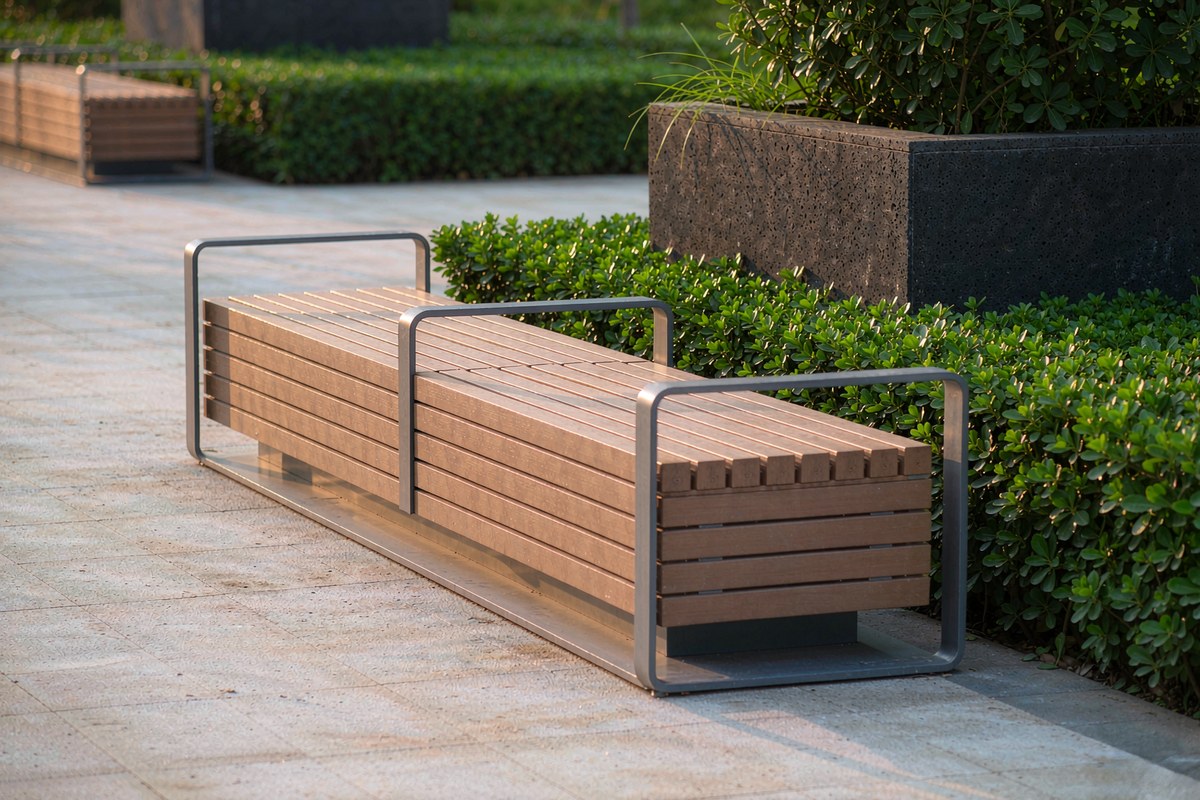
What armrests and centre dividers do for accessibility and capacity, with real LVEN bench widths from 45 to 69 cm.
Read the case study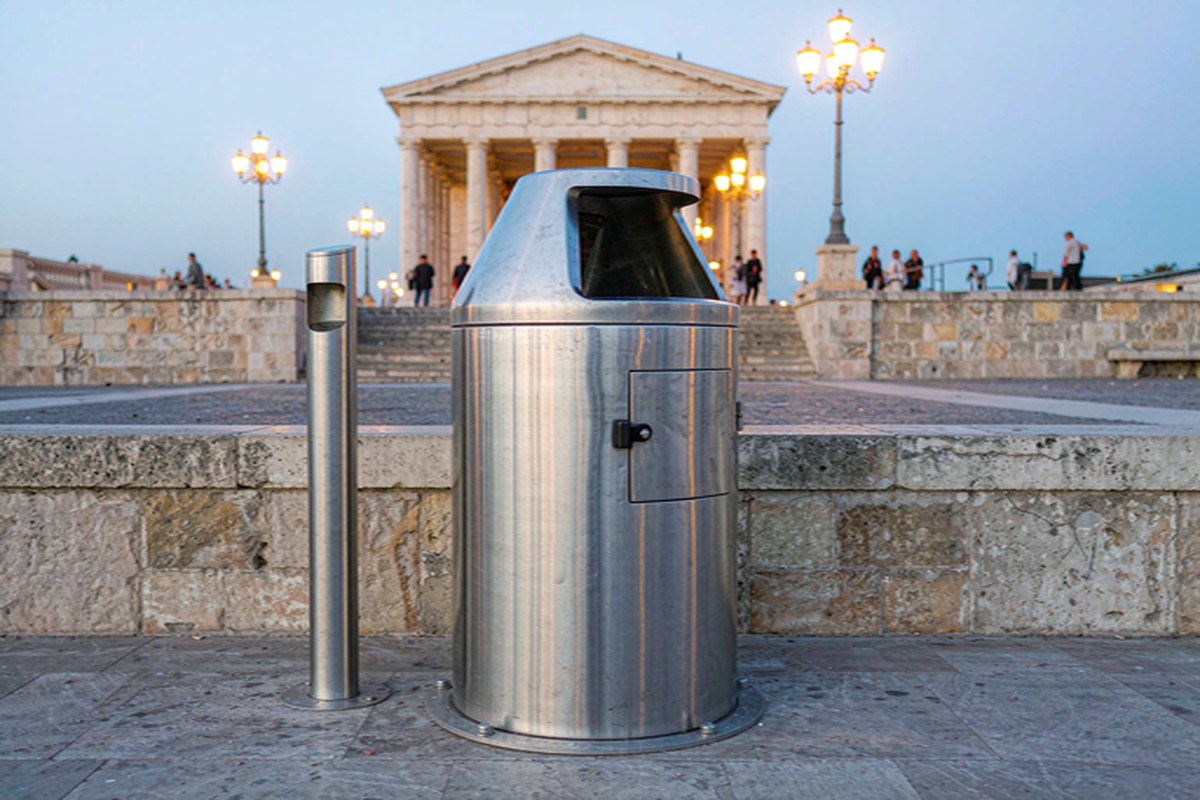
Ignition sources, hooded openings, siting clearances and emptying routines that stop a public bin becoming a fire load.
Read the case study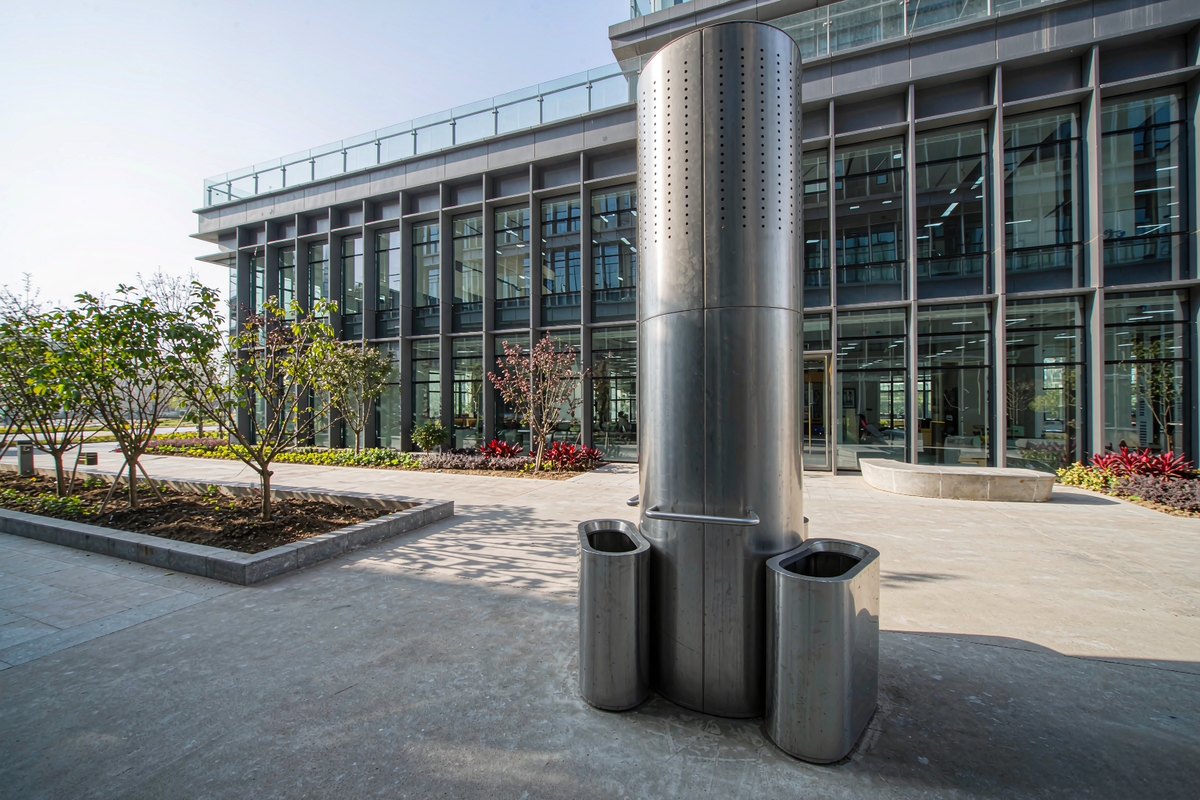
Entrance distances, sightlines, spacing, ground conditions and servicing access - a placement walkthrough with real OTMY column dimensions.
Read the case study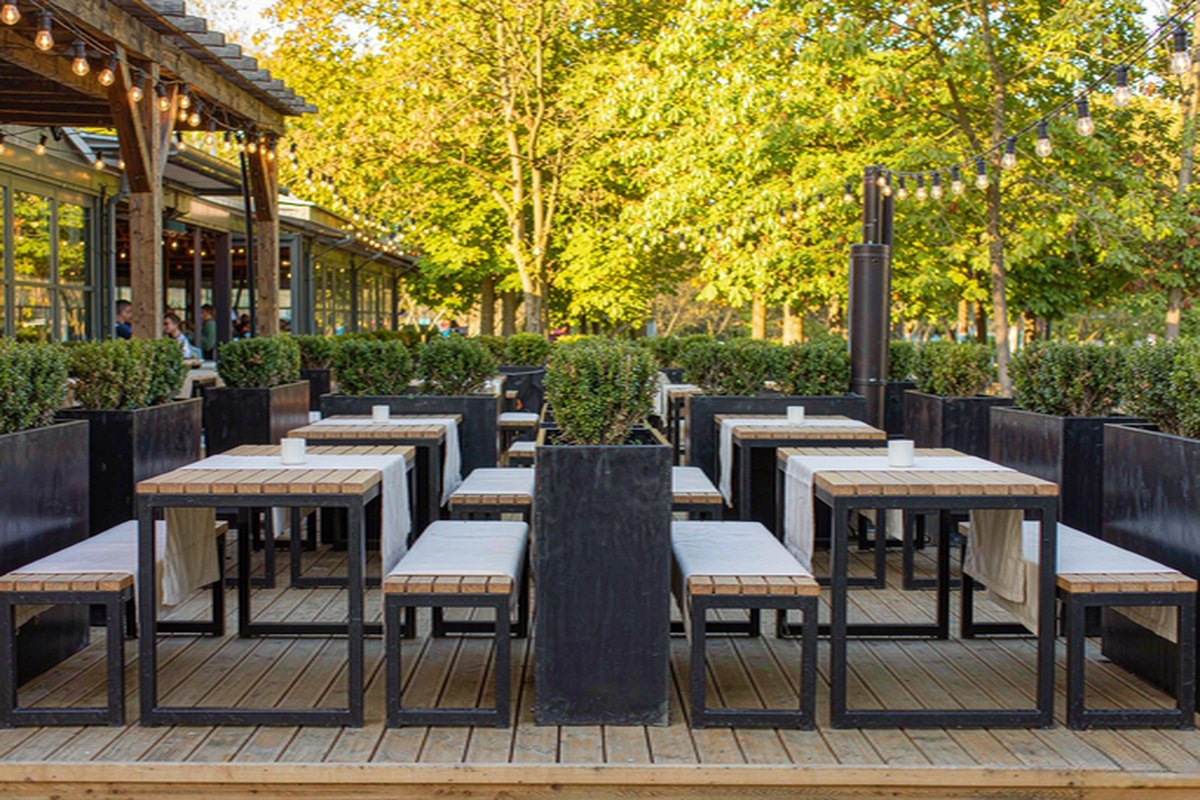
Materials, table footprints, spacing between sets and fixing choices - a terrace guide with real LVEN OTZY dimensions.
Read the case study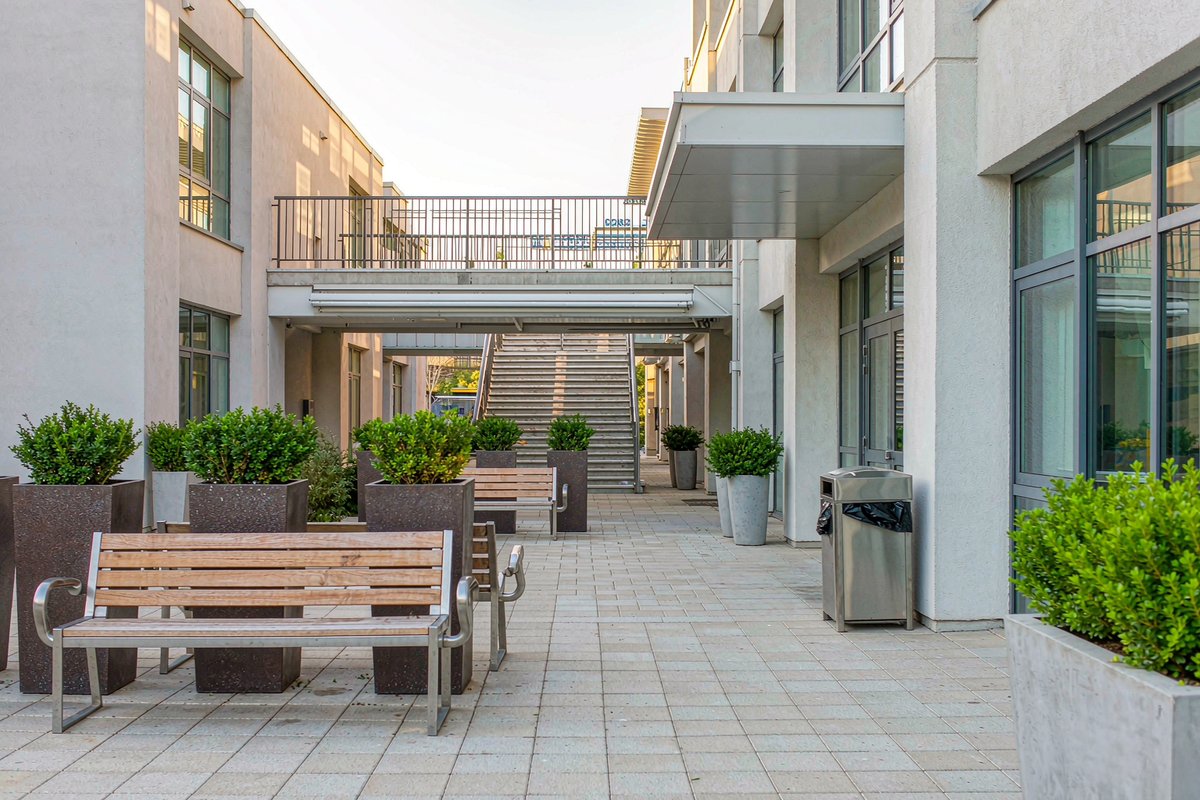
Calm courtyards, accessible bench siting, hospital-safe materials and phased delivery — a zone-by-zone guide with real LVEN dimensions.
Read the case study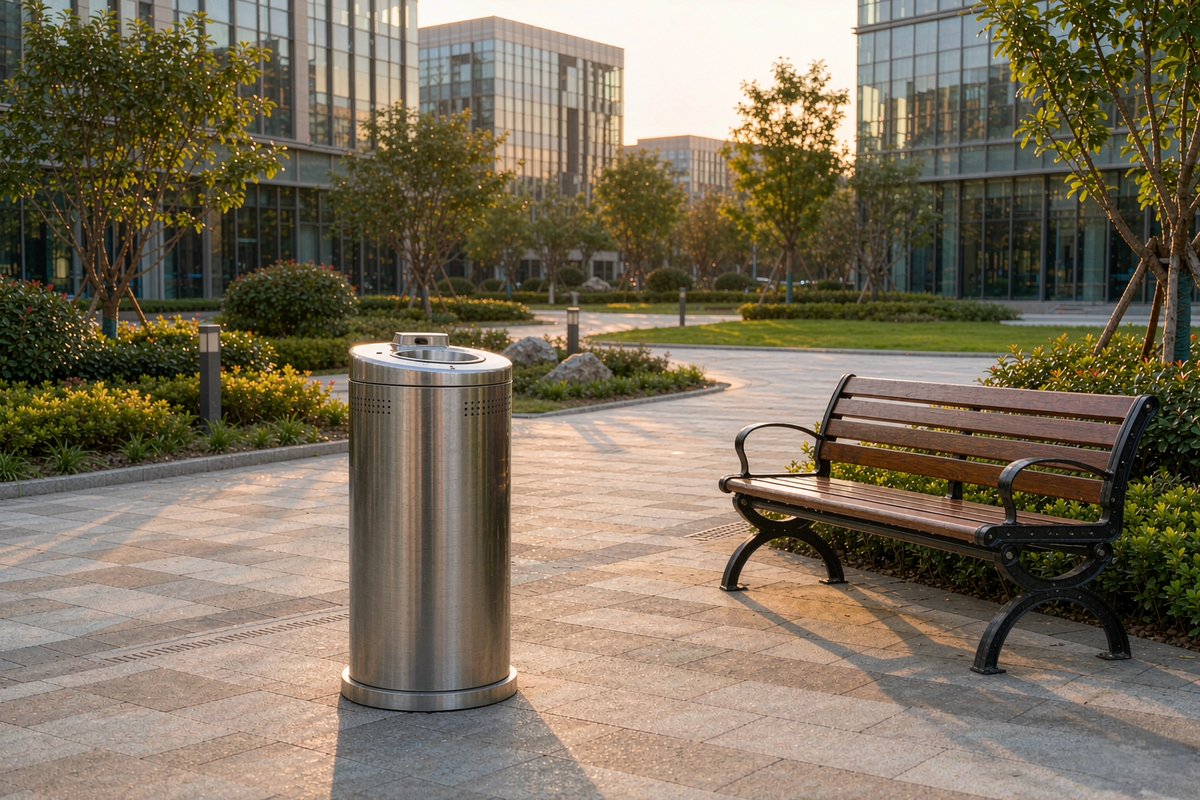
Where each type belongs, capacity and servicing trade-offs, and real OTMY column dimensions for site-wide smoking plans.
Read the case study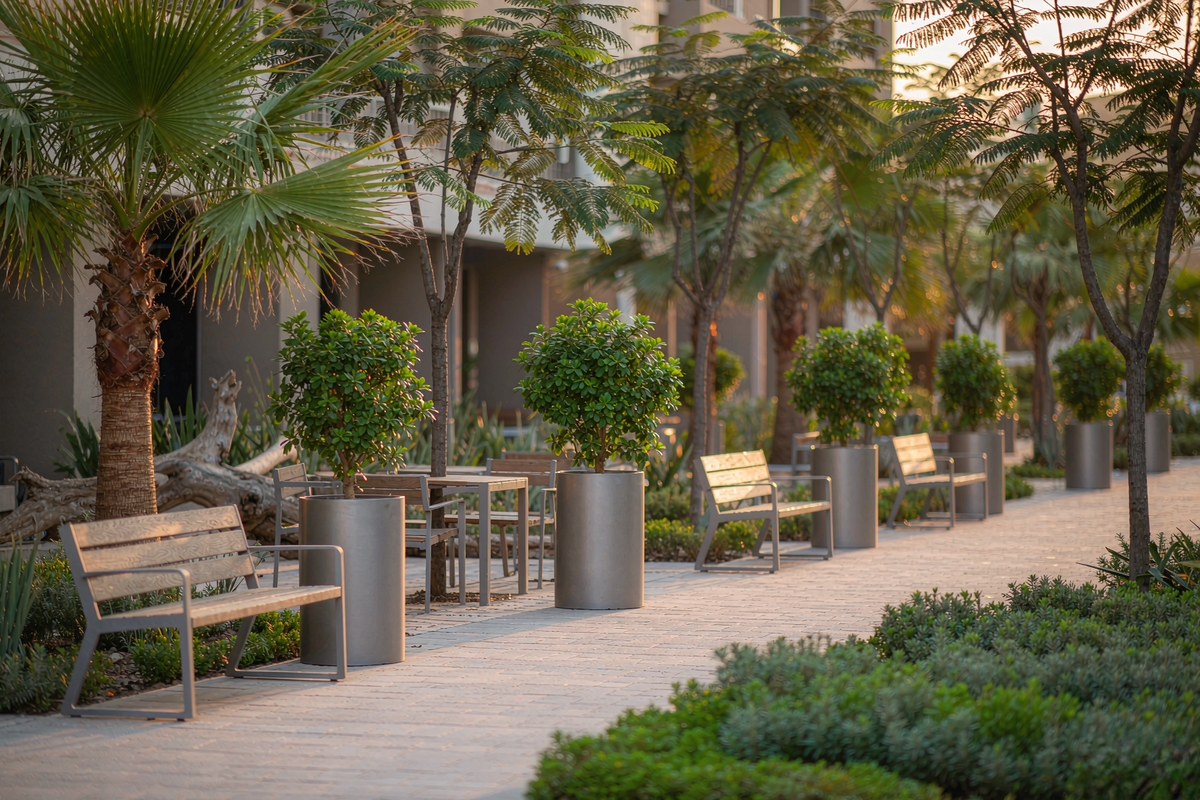
Guest routes, one furniture family, poolside-safe materials and bin placement — a zone-by-zone guide with real LVEN dimensions.
Read the case study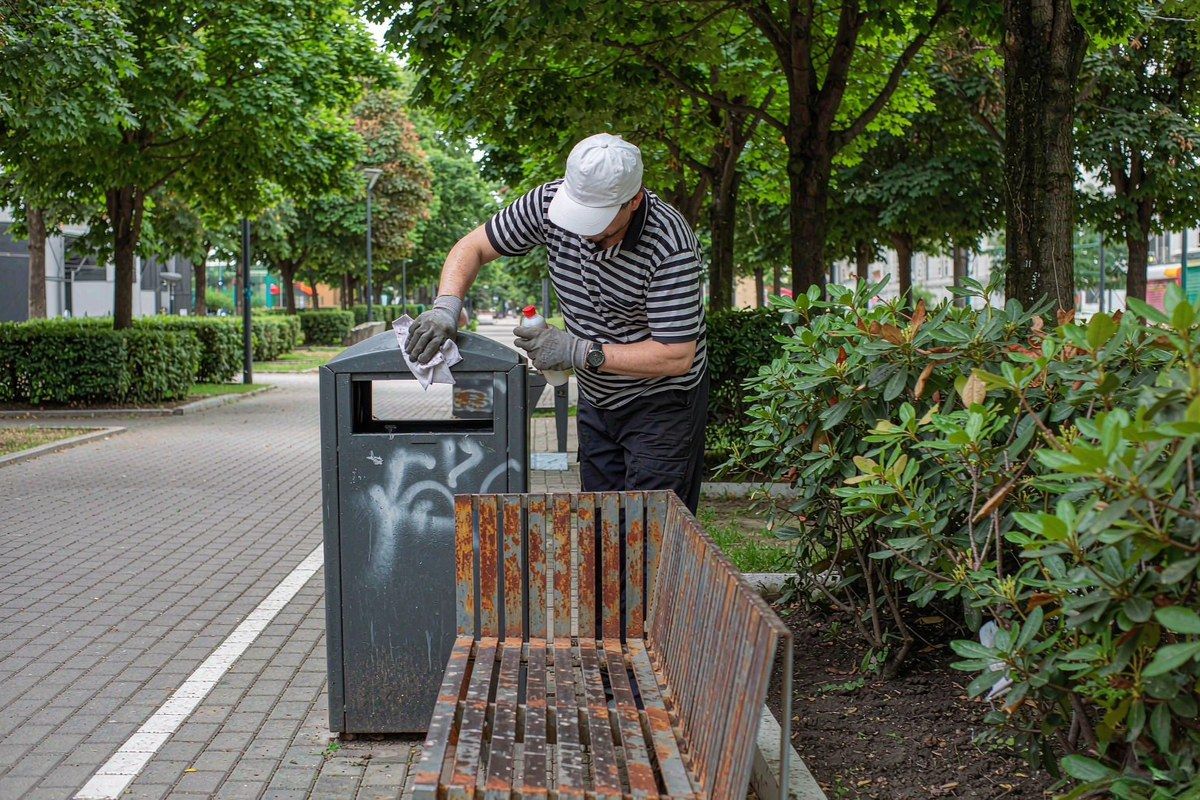
Gentle-first cleaning for spray paint and marker on powder-coated steel, stainless and wood-look slats, plus spec tips that make the next tag easier.
Read the case study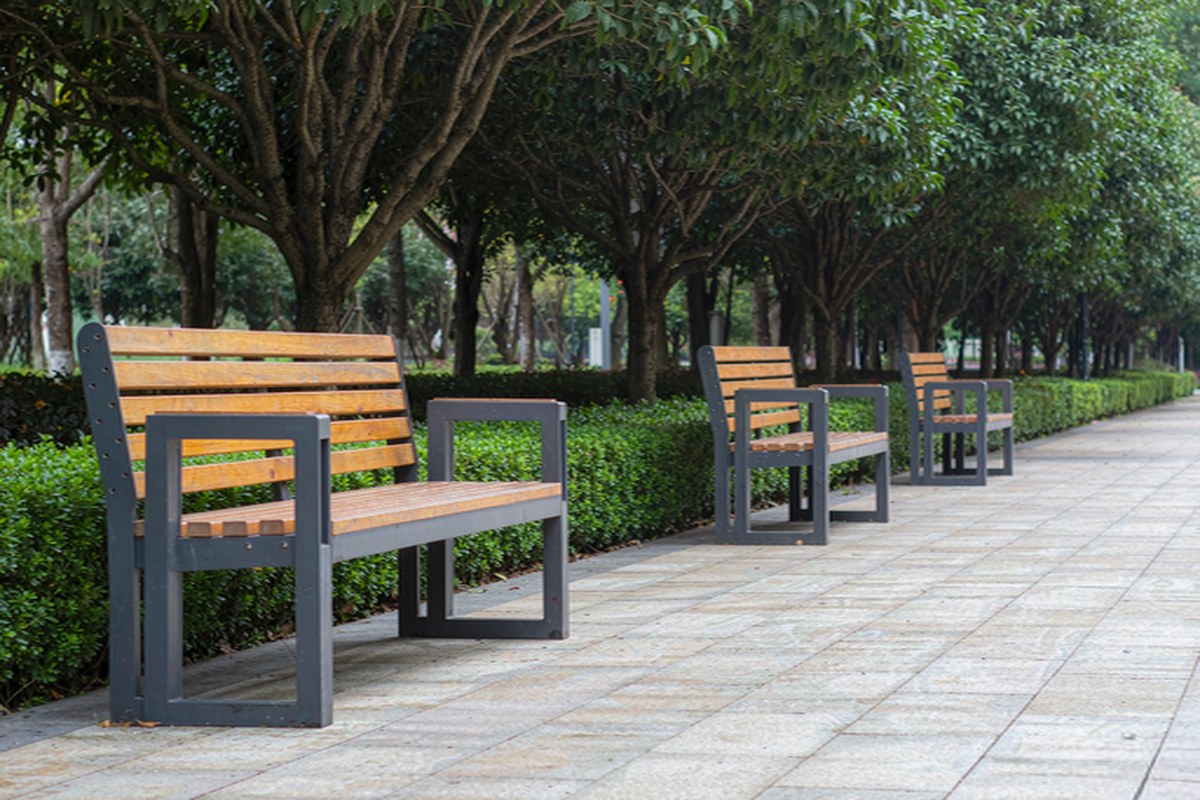
Posture, dwell time, footprint, cleaning access and anchoring compared, with the real heights and widths of one matching bench family.
Read the case study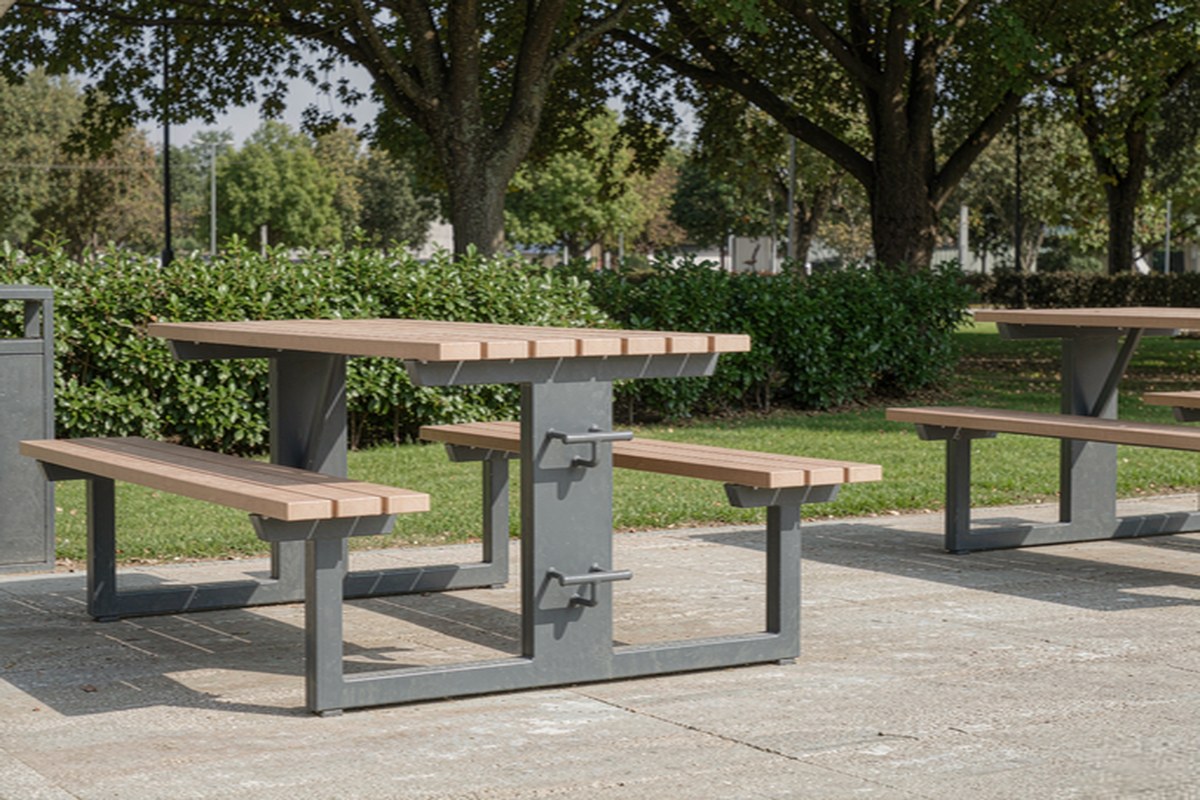
How attached benches change footprint, stability, cleaning access and end-on approach, measured against the real dimensions of the set range.
Read the case study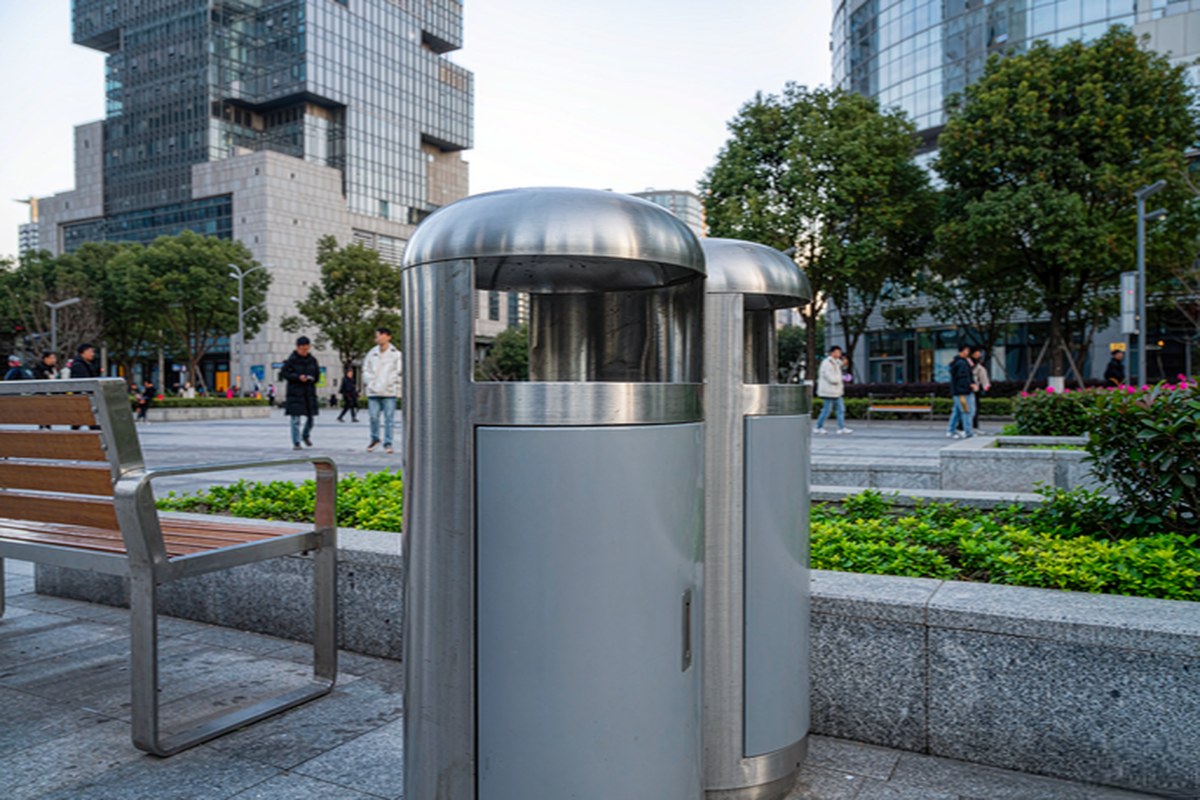
Nickel content, corrosion behaviour and price compared — how to match the frame and body grade to the site's moisture and salt exposure.
Read the case study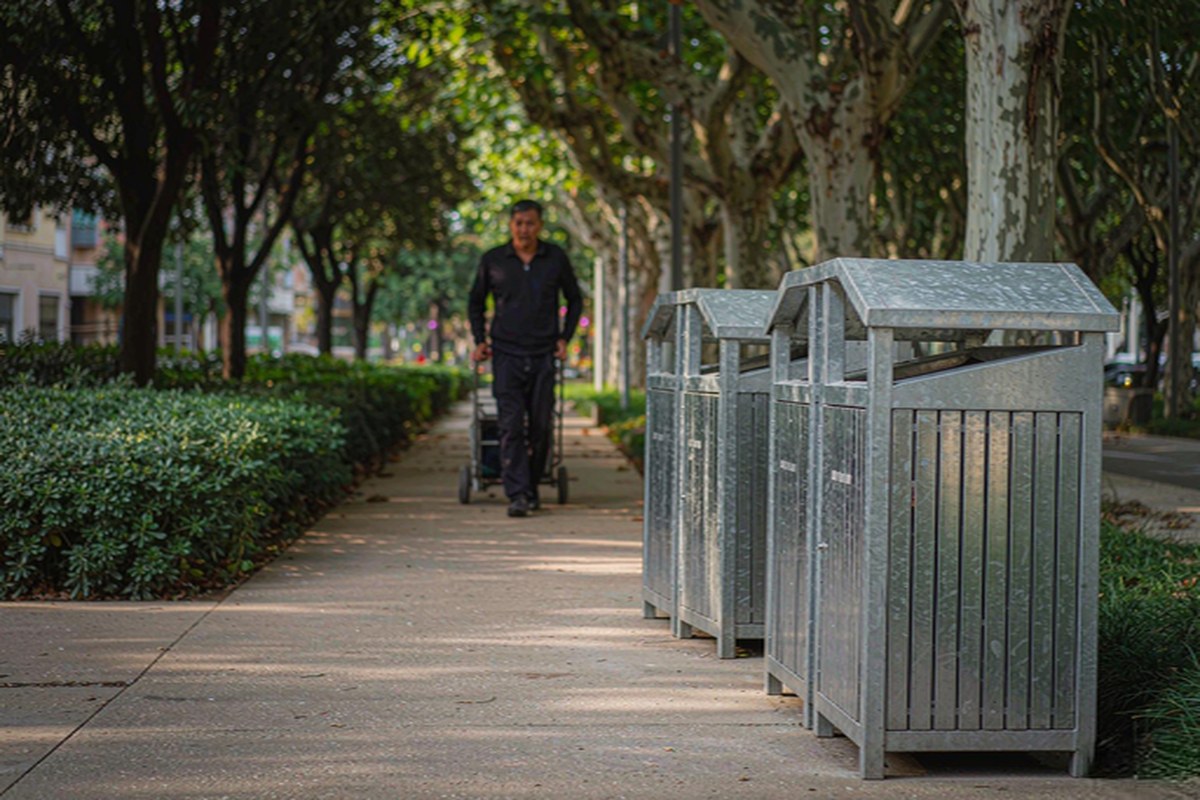
Covered openings, removable liners, smart siting and a seasonal cleaning rhythm — the specification moves that keep public bins fresh.
Read the case study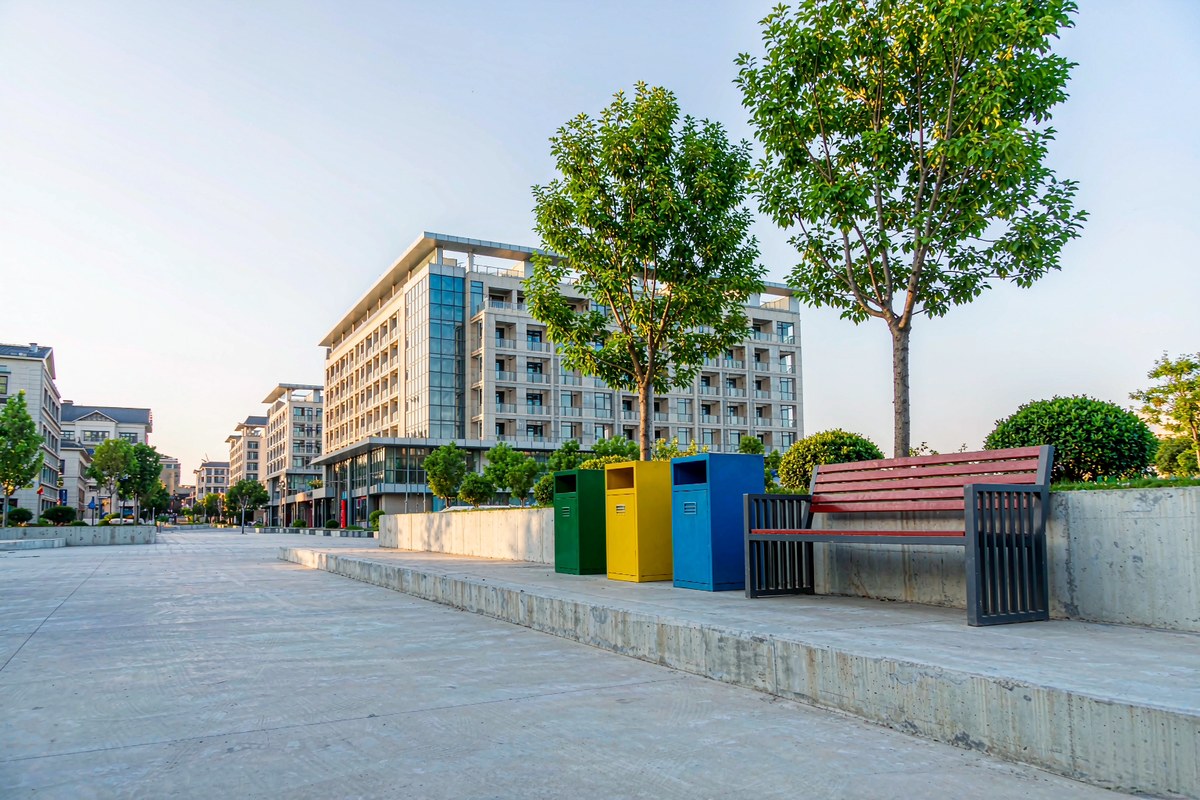
Match the palette to the setting, specify by RAL number and confirm the coating system behind the color — the finish decisions that make furniture fit its site.
Read the case study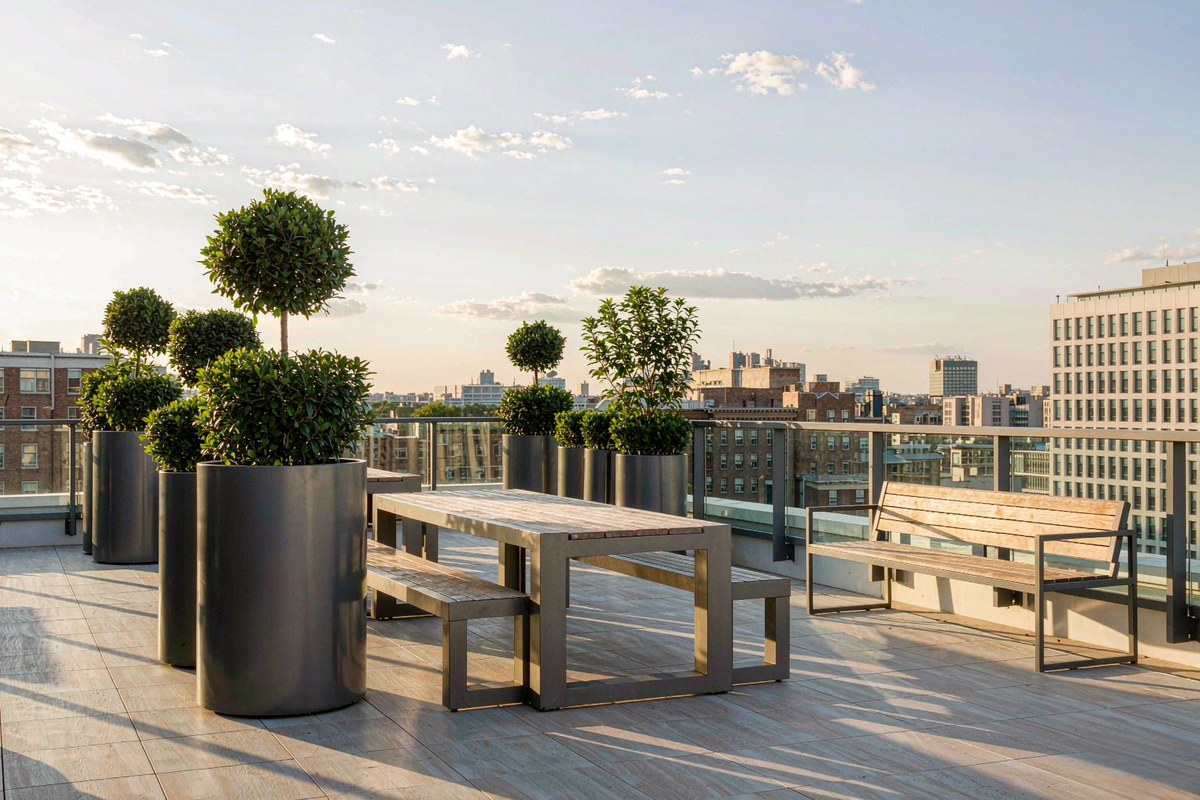
Wind, weight limits, drainage and lift access rewrite the ground-level rules — a practical guide to benches, tables, planters and bins for roof decks.
Read the case study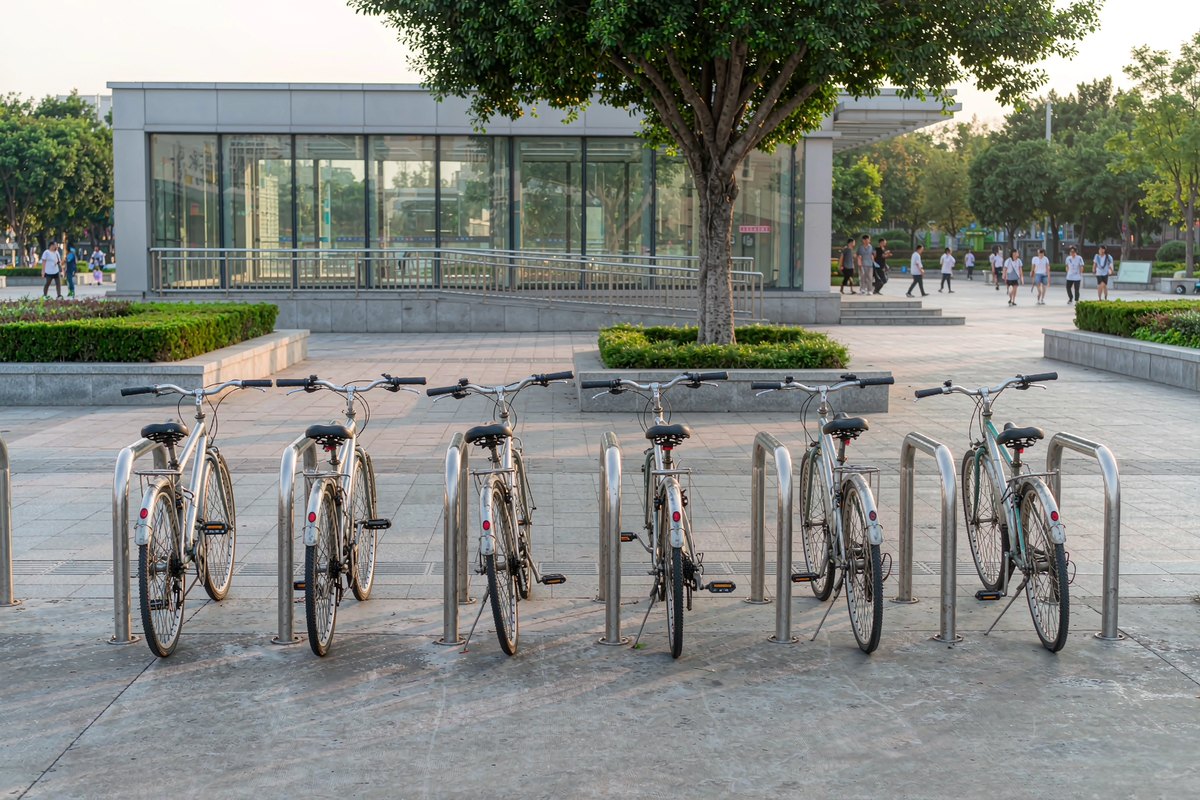
Hoop centres, aisle clearances and peak-demand sizing - the geometry that turns a row of racks into the parking capacity a site actually needs.
Read the case study
Decision points, dispenser and bin pairing, and the servicing route - where dog waste stations go so bags actually reach the bin.
Read the case study
Gap sizing, root-safe fixings and a shared maintenance routine - how to add seating around an existing tree without stressing it.
Read the case study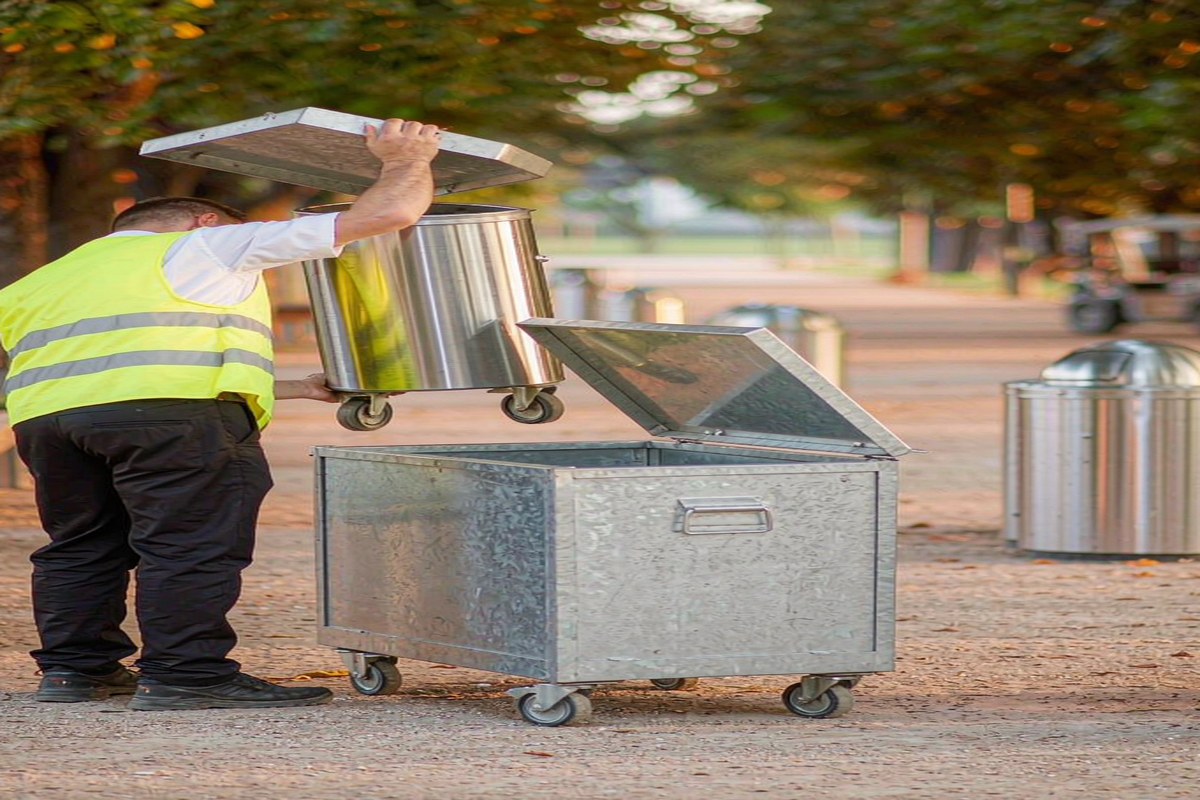
Route-first planning: bin points crews can service quickly, hardware that shortens each stop, and a review cycle that keeps up with the seasons.
Read the case study
Freeze-thaw, standing moisture and de-icing salt - a short pre-winter routine that keeps benches and bins serviceable through the cold months.
Read the case study
Pictograms, plain words and consistent colours - the label system that makes a public sorting station work at walking pace.
Read the case study
Size, gauge and shape - the three details that keep liners seated and every emptying round spill-free.
Read the case study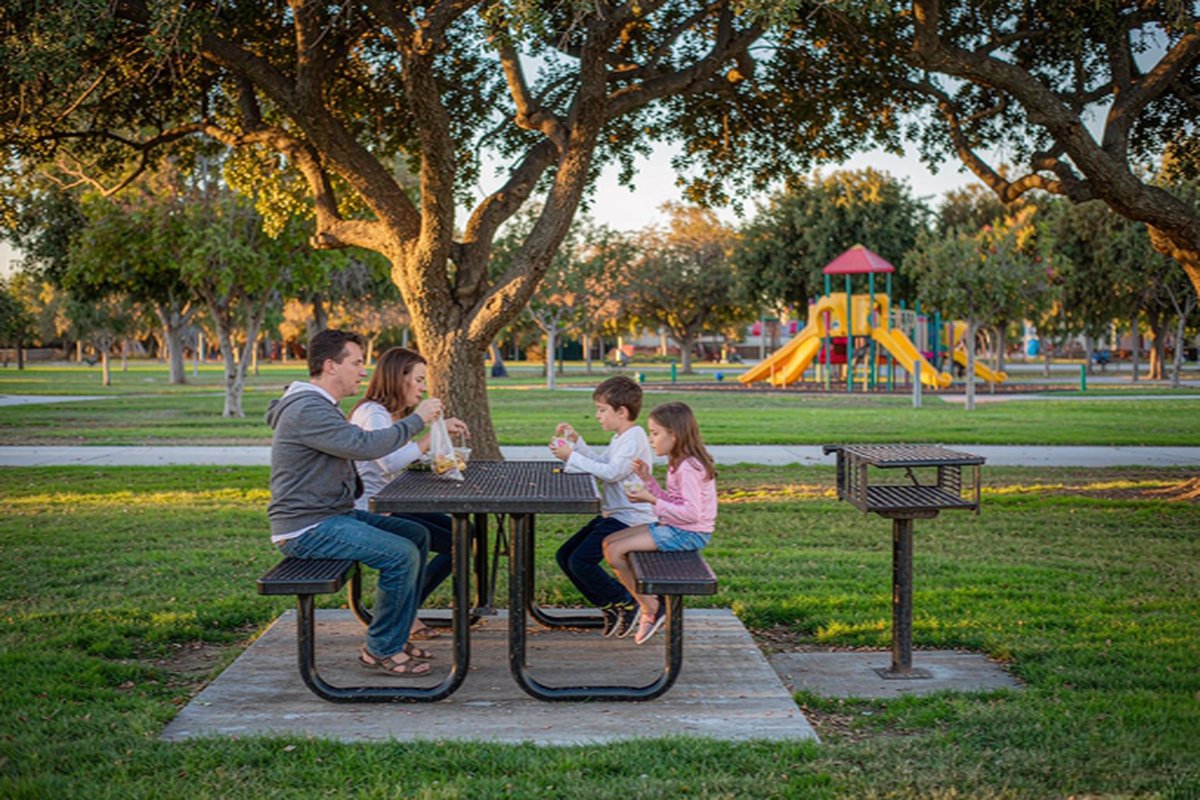
Frame geometry, joints and anchors - how to judge what a public picnic table can really carry.
Read the case study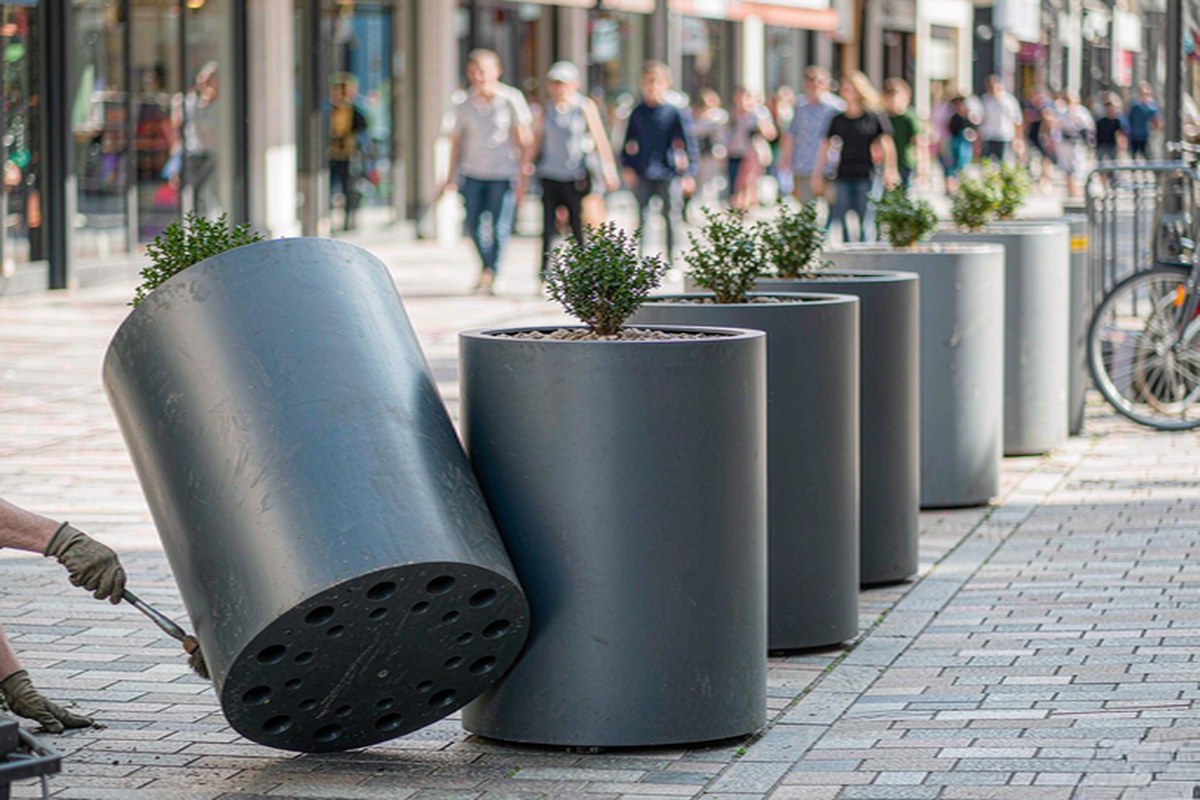
Drainage holes, a base layer and feet under the planter — the three details that keep street planting alive.
Read the case study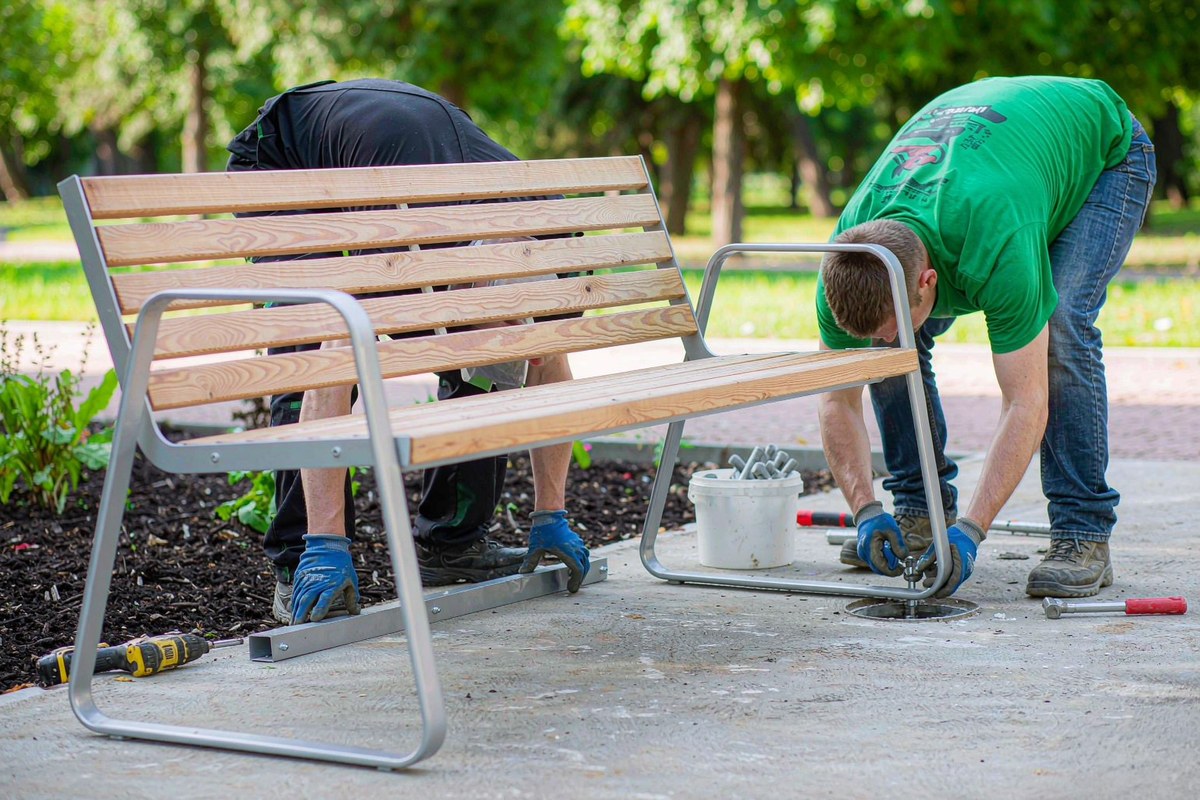
Pick the fixing that matches the surface, then anchor the bench in an hour with pre-drilled base plates.
Read the case study
Four defences — material, coating, fixings and drainage — keep bins, benches and planters presentable by the sea.
Read the case study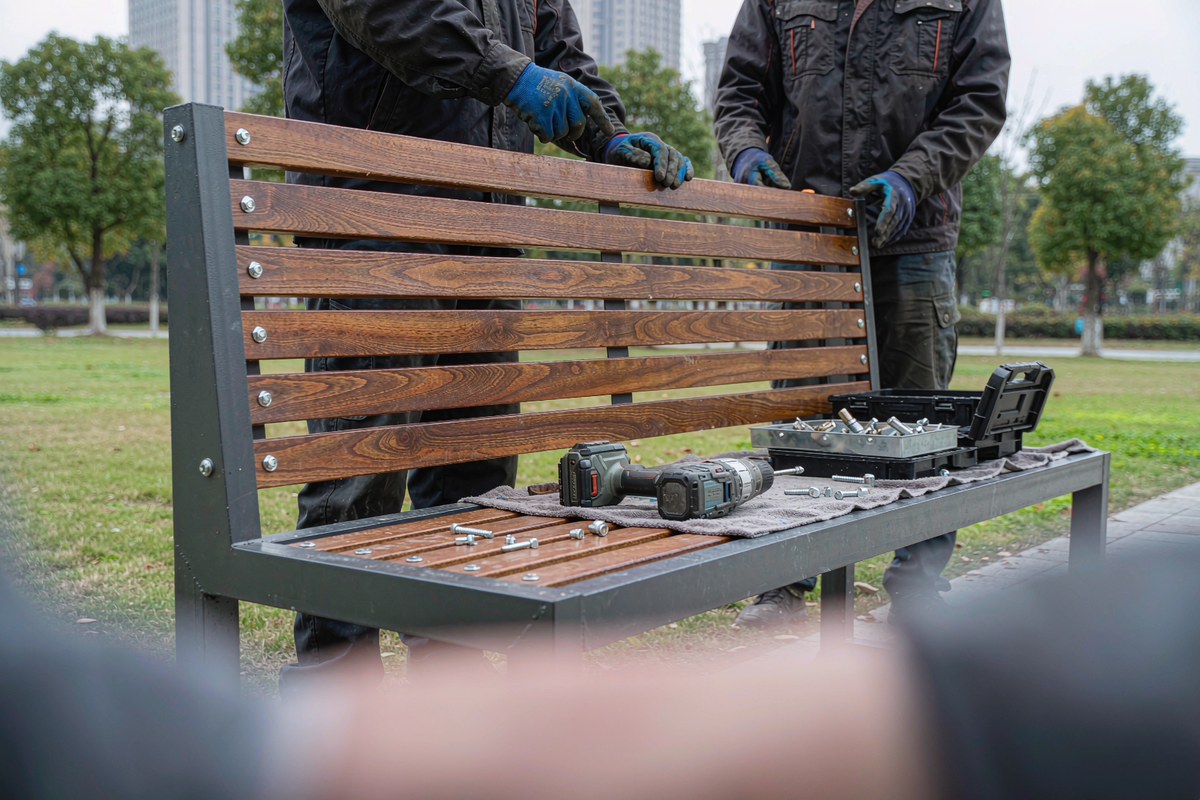
Stock 5–10% fast-wearing spares, plan refurbishment cycles by material, and write the asset register that makes repairs fast.
Read the case study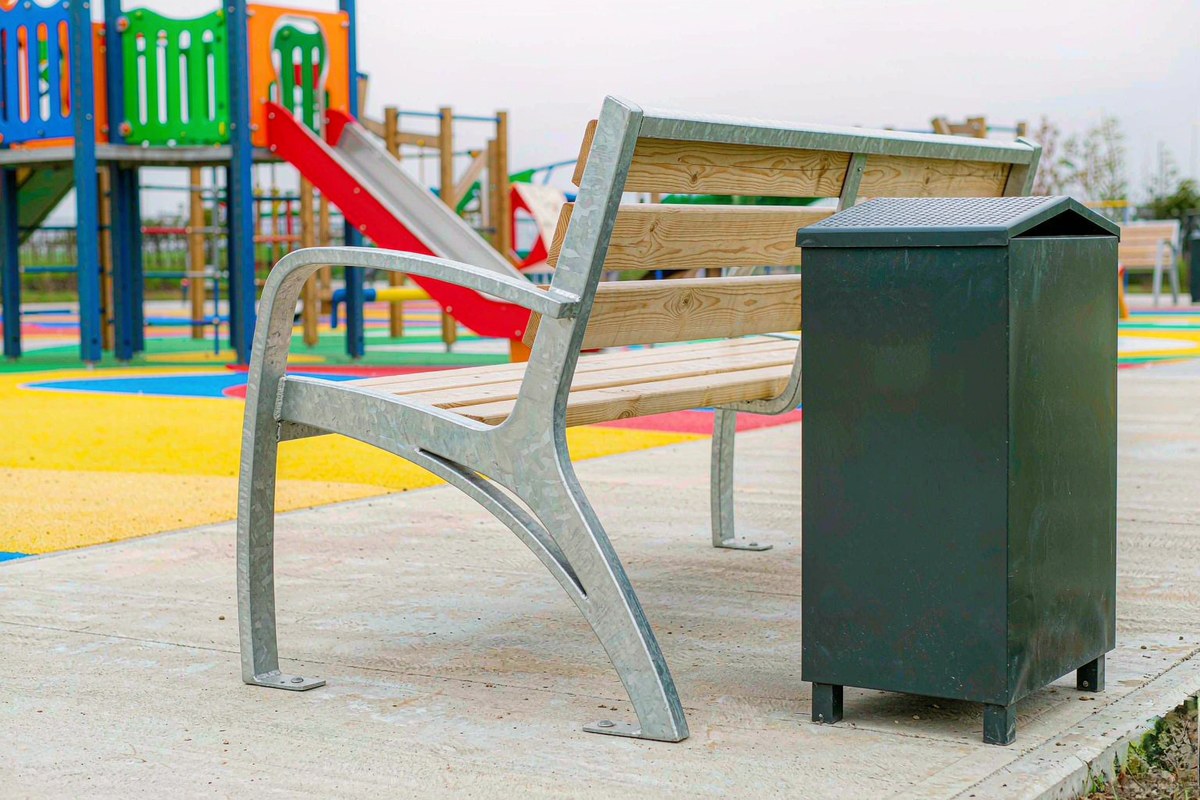
Benches 2-4 m back with a clear sightline, lidded bins at the gate — the siting rules that keep playground edges safe.
Read the case study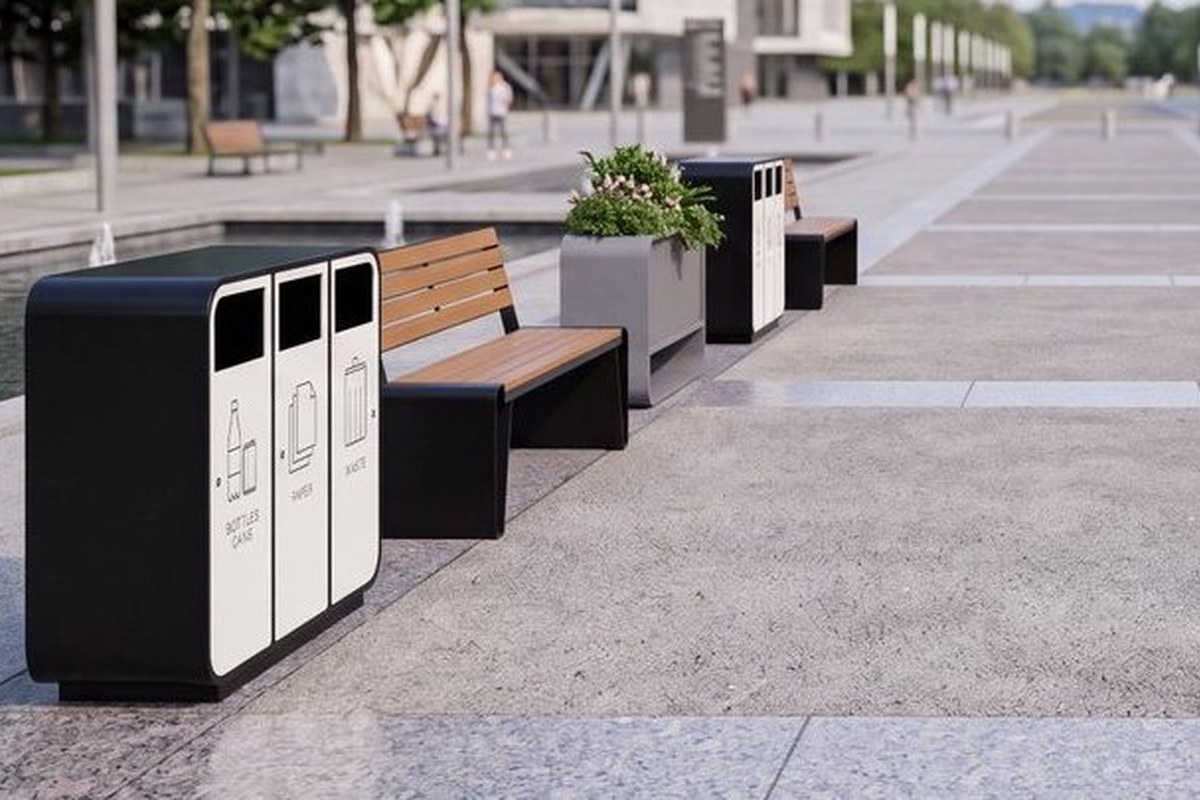
Compare quotes line by line against one written spec — material grade, coating, fixings and what is actually included.
Read the case study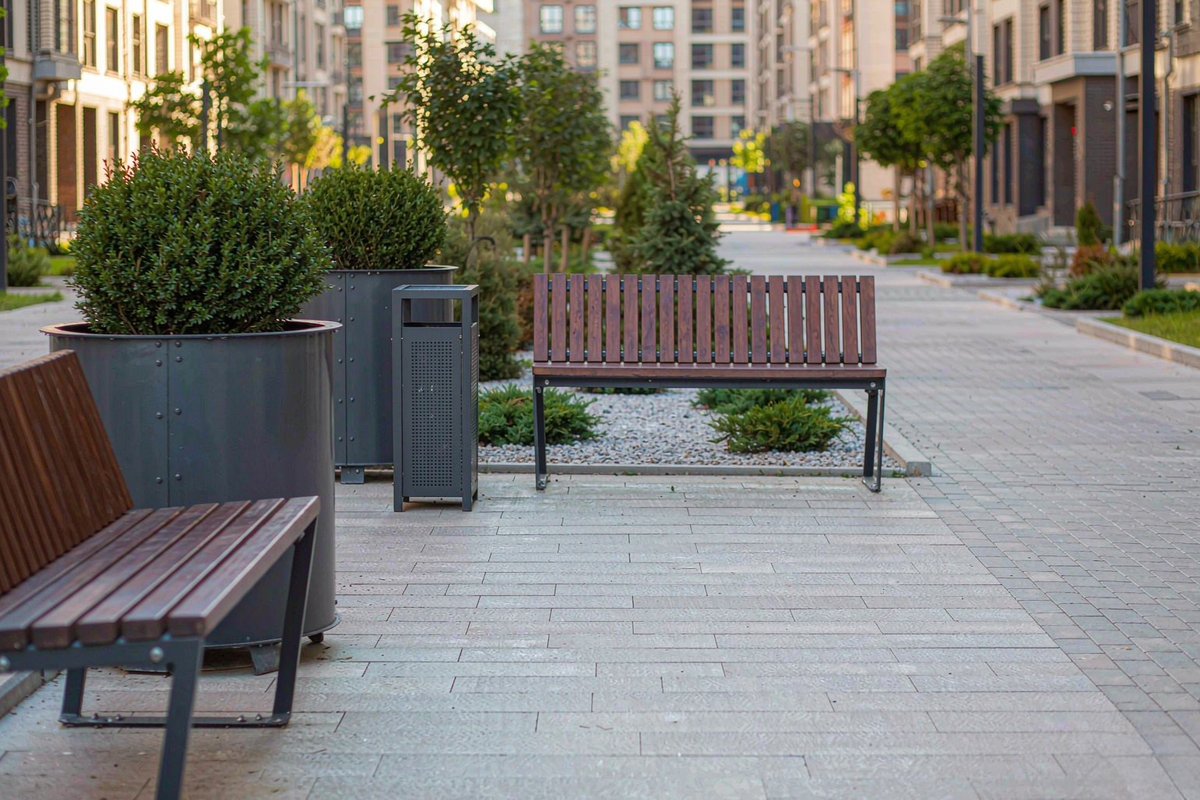
Benches, bins and planters zone by zone, materials that last for decades, and what the quotation should include.
Read the case study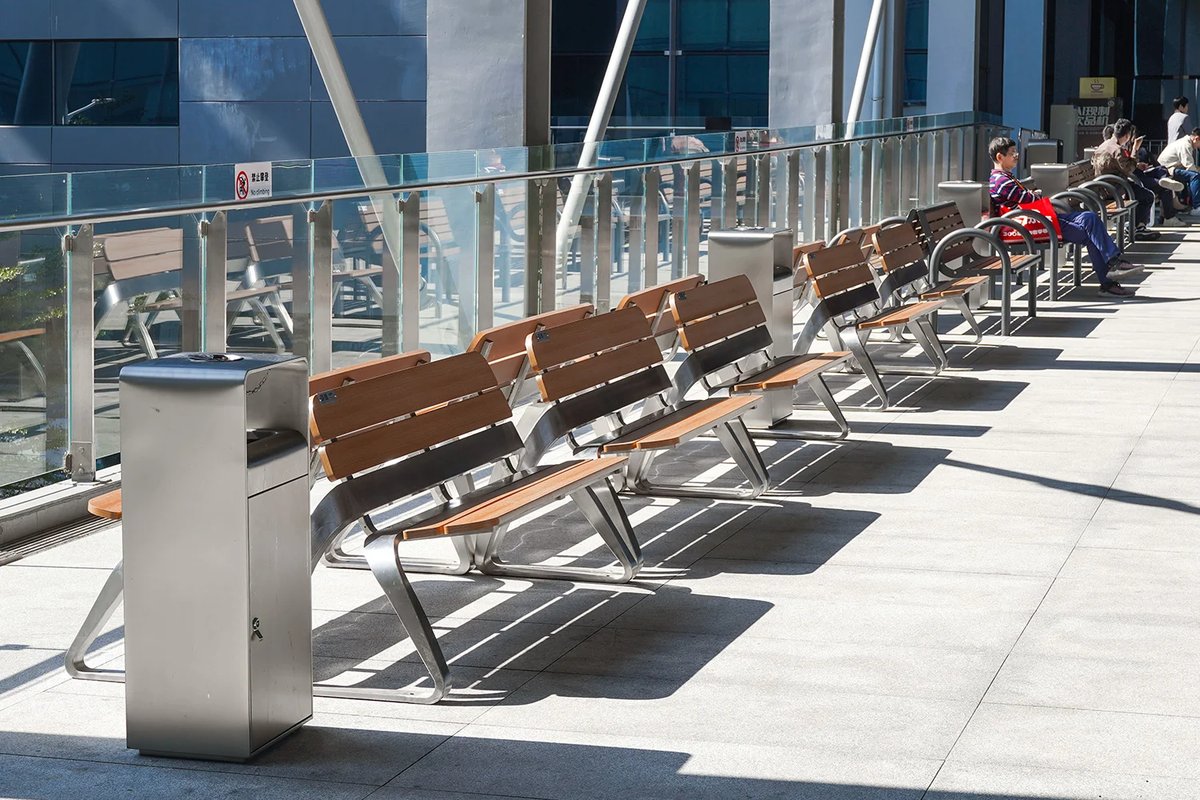
Security bolts, ground anchoring and design details that stop slats, lids and hardware from walking away.
Read the case study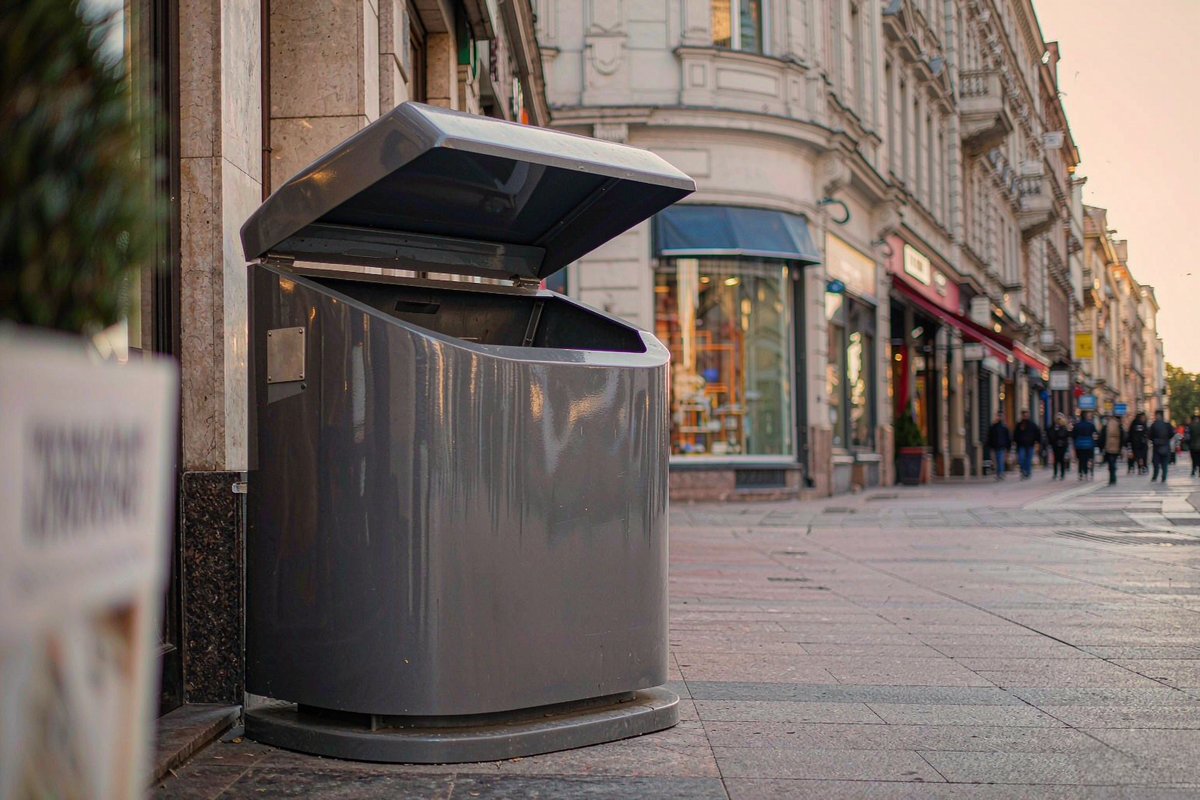
General openings of 200-300 mm keep one-motion disposal comfortable, while narrow slots sort bottles and cans where it counts.
Read the case study
Frames, coatings, slats and fixings carry different warranty years - here is what to check before you sign.
Read the case study
One damaged slat does not write off a bench: the 15 to 60 minute repair, and the bench designs that make it possible.
Read the case study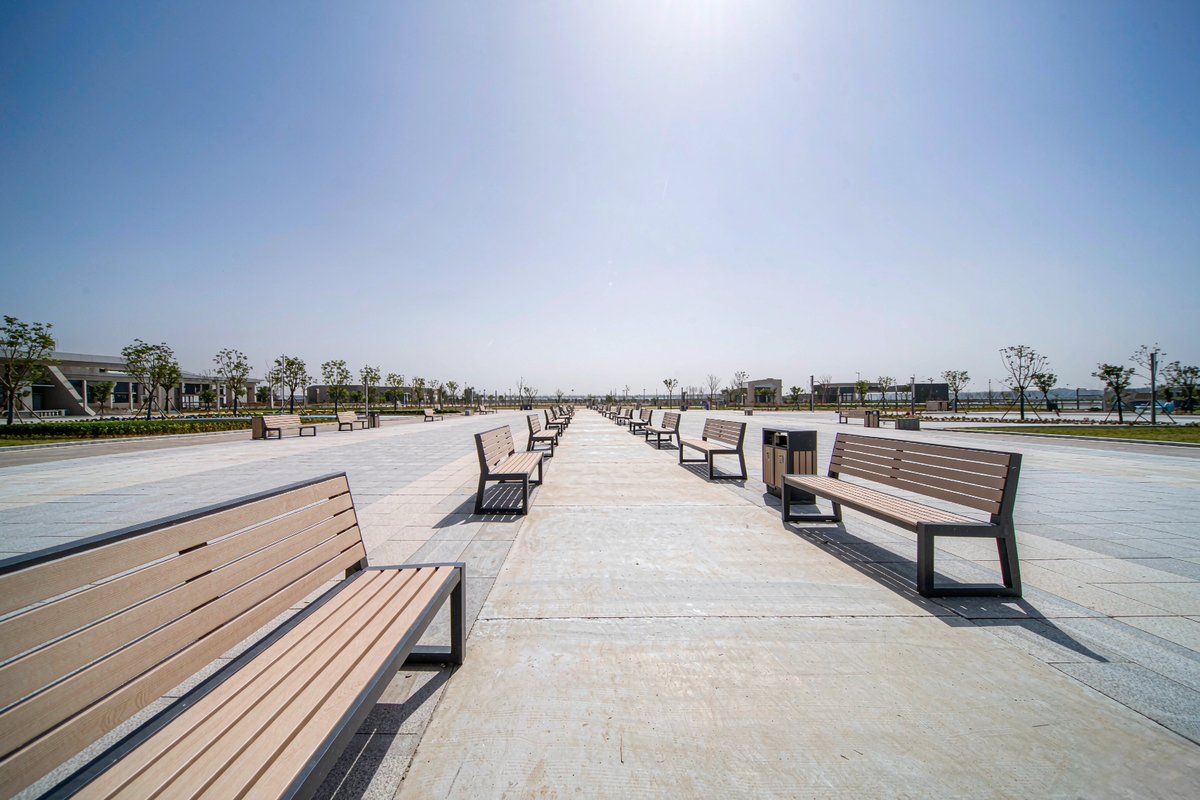
How UV stabilisers inside the board keep HDPE slats from chalking and fading, and what to check before ordering for full-sun sites.
Read the case study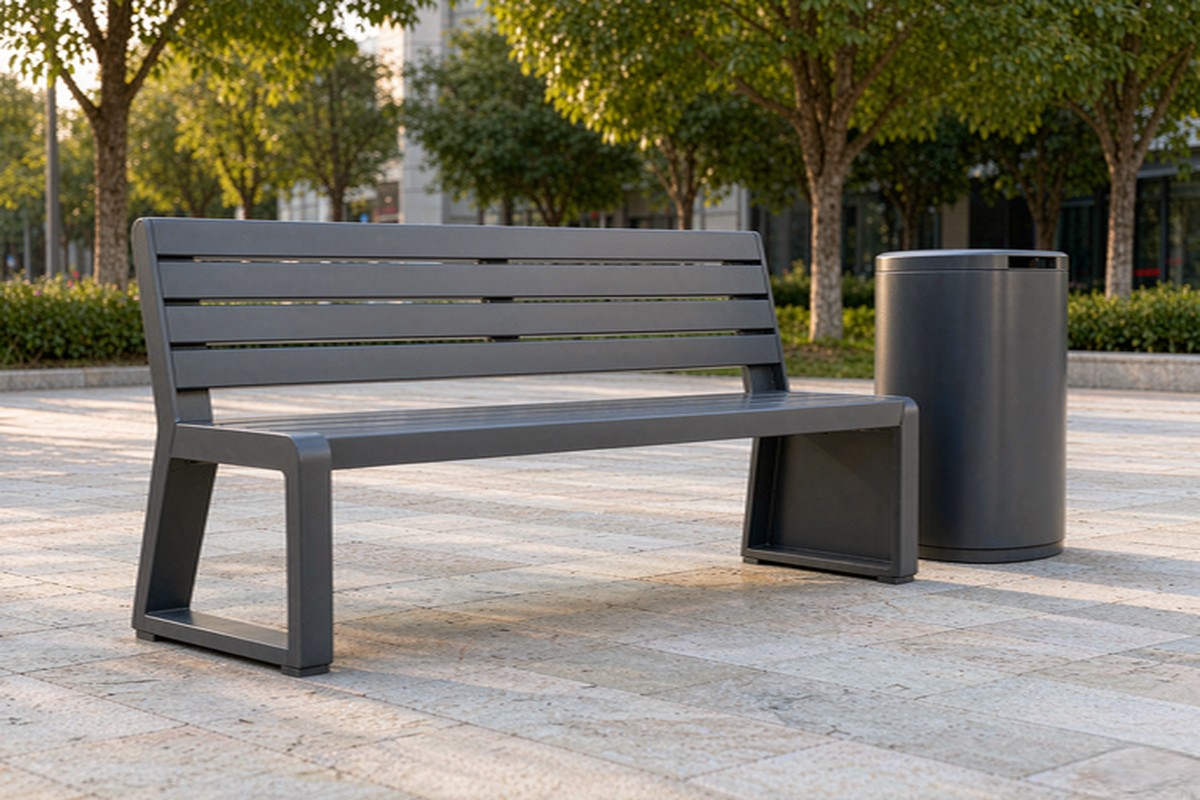
Same steel body, very different ageing: how to choose between the two mainstream finish systems for public space.
Read the case study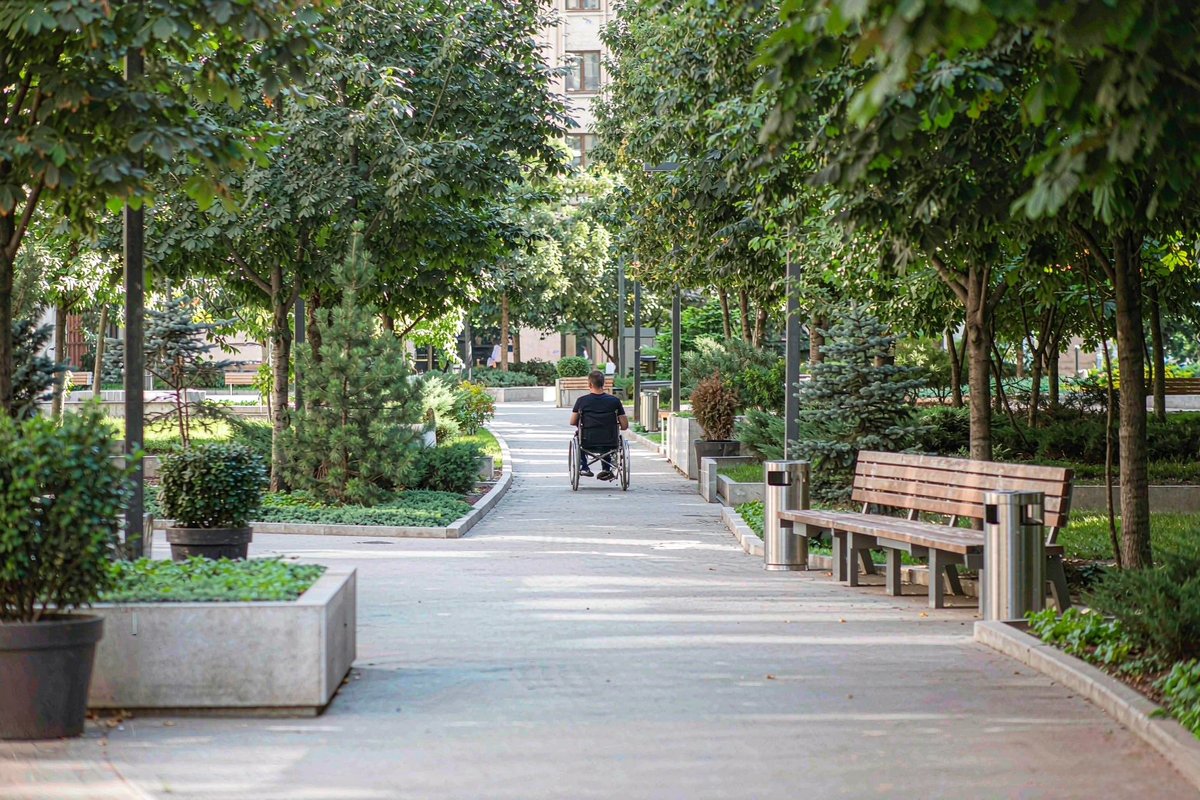
Reach ranges, clear approach space and surface heights decide whether public seating and bins are usable, not just installed.
Read the case study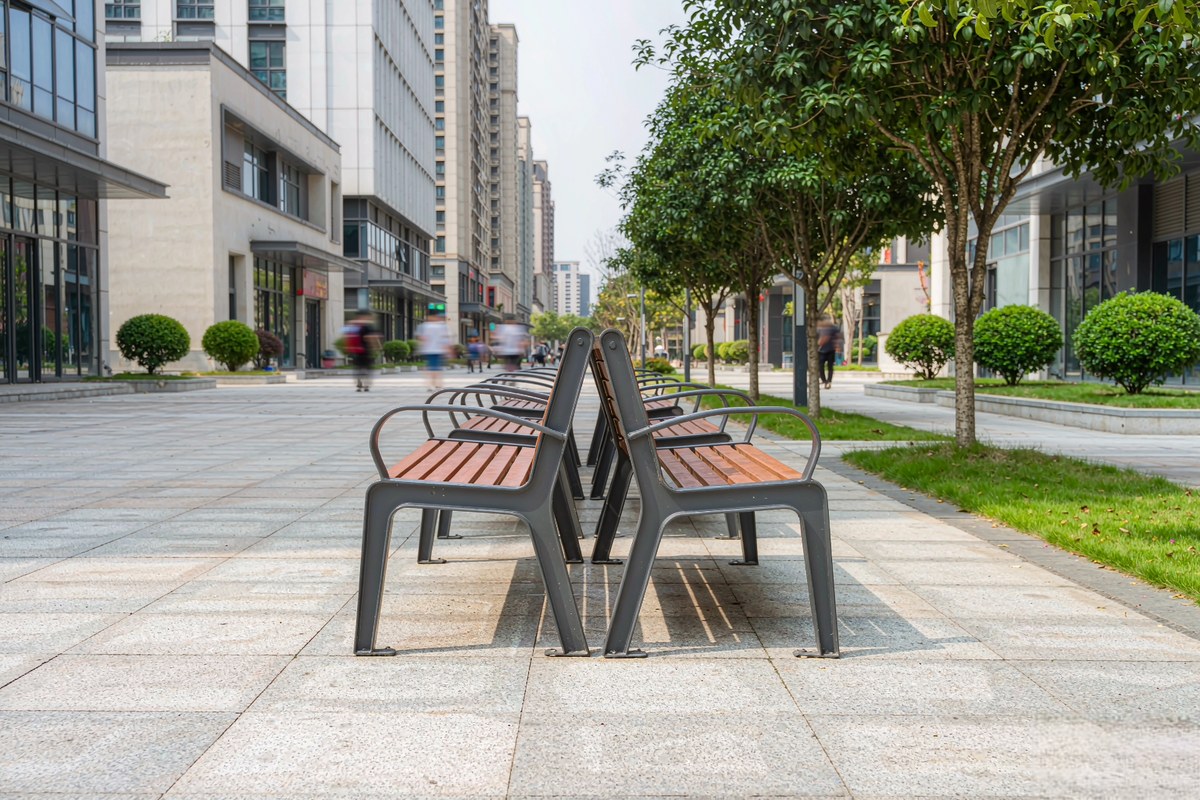
Frame and slat choices, anti-theft fixings and desire-line spacing for benches that survive all-day use in a busy public square.
Read the case study
A safe cleaning routine for brushed stainless bins: mild detergent, wiping with the grain, and what never to use.
Read the case study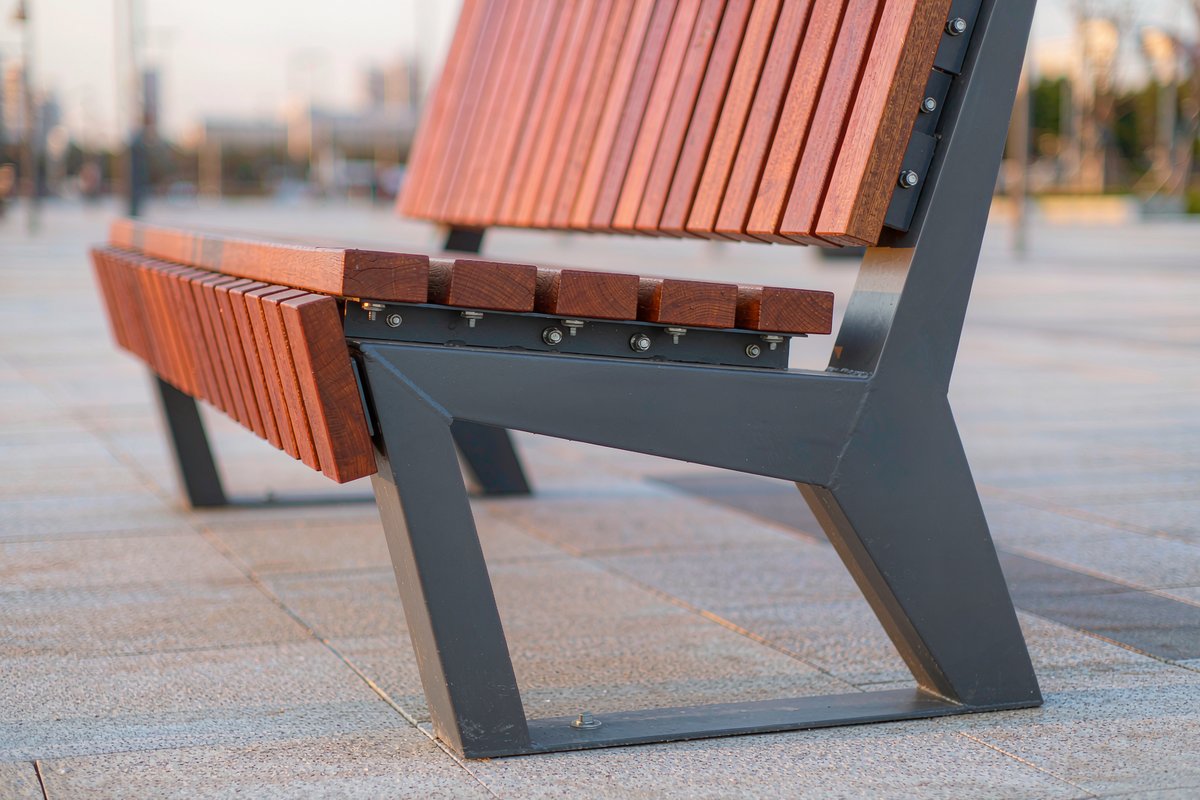
Hardwood wins on feel and repairability, composite on low maintenance, aluminium on corrosion resistance — how to match bench slats to site and budget.
Read the case study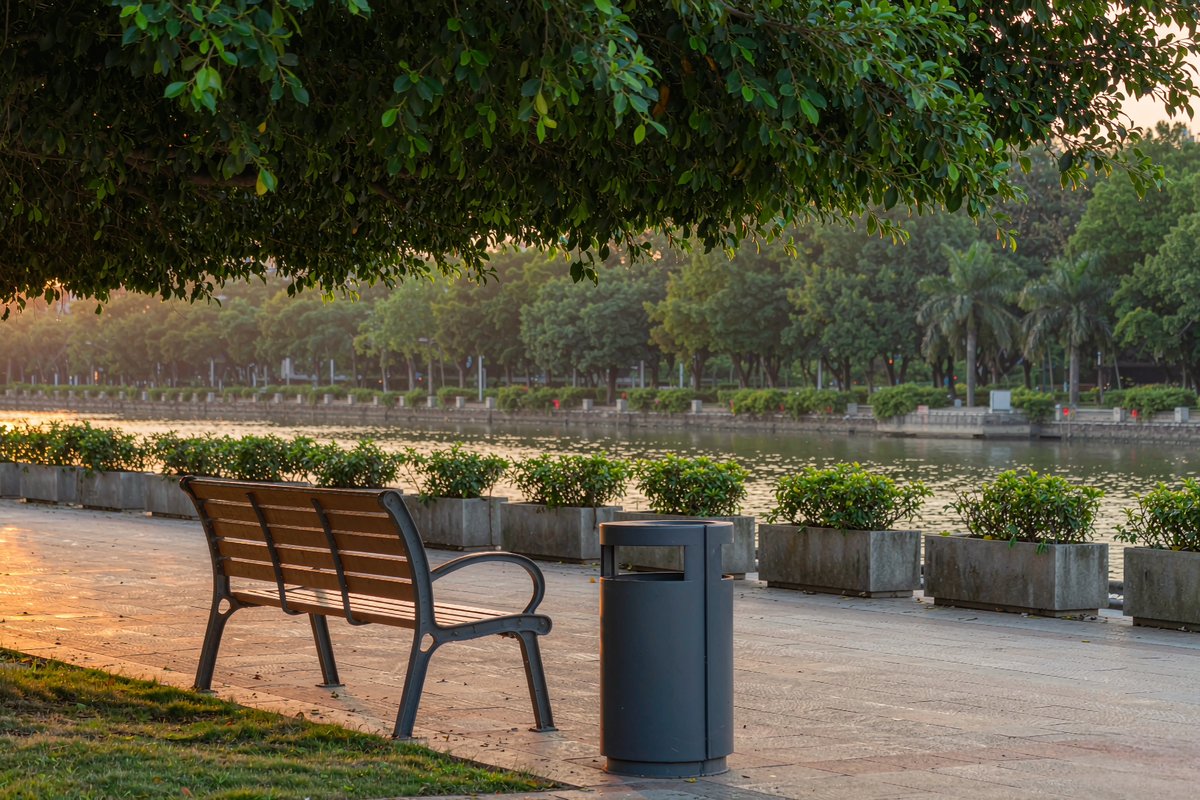
Cluster benches and bins at pause points, let planters guard the water's edge, and specify finishes that survive waterfront humidity.
Read the case study
Steel 8–12 years, stainless 15+, HDPE 5–8 — the material and detail choices that decide how long a public bin stays in service.
Read the case study
700–1,000 mm high, 500–800 mm wide, gaps under a body width — the dimension rules that make a planter line actually separate people.
Read the case study
Rust starts at chips, water traps and fixings — match the finish to the site and run a twice-yearly inspection habit to keep steel furniture sound.
Read the case study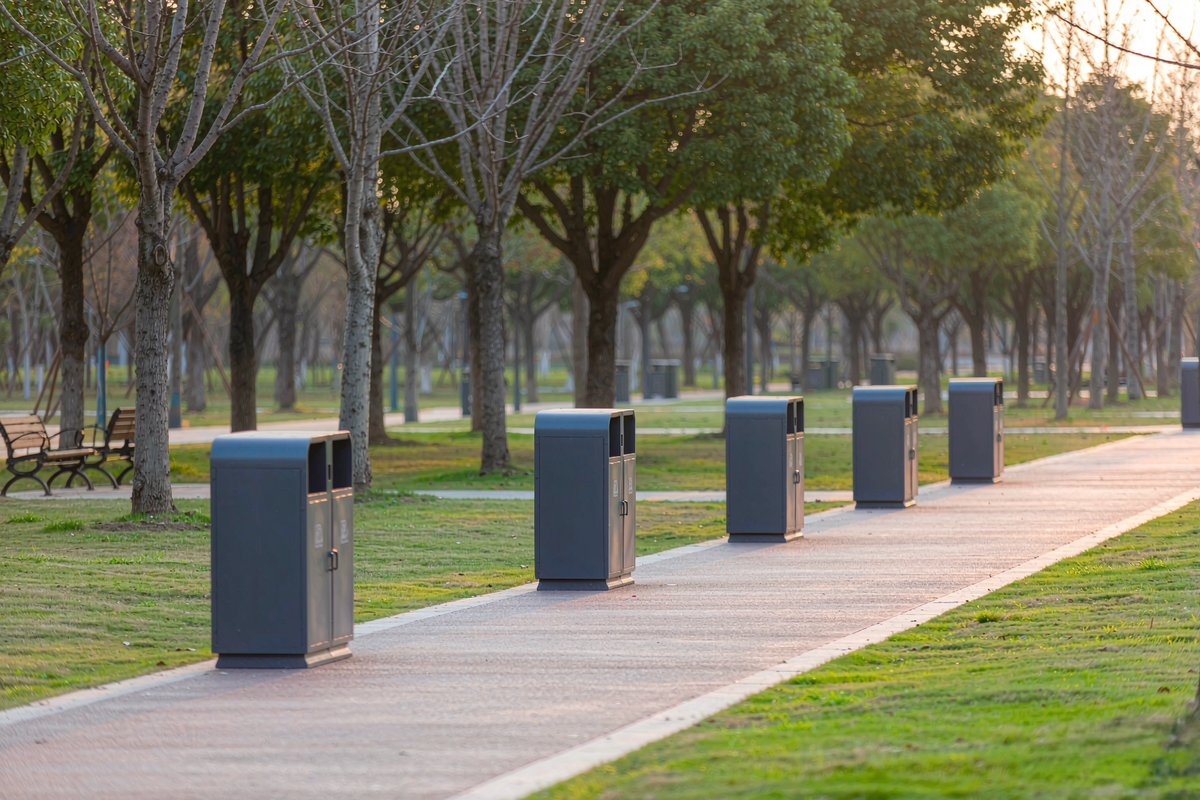
One position per 30–40 peak-hour visitors, a 1–2 minute walk-time test and a capacity check against emptying rounds — sizing a park's bin network in five steps.
Read the case study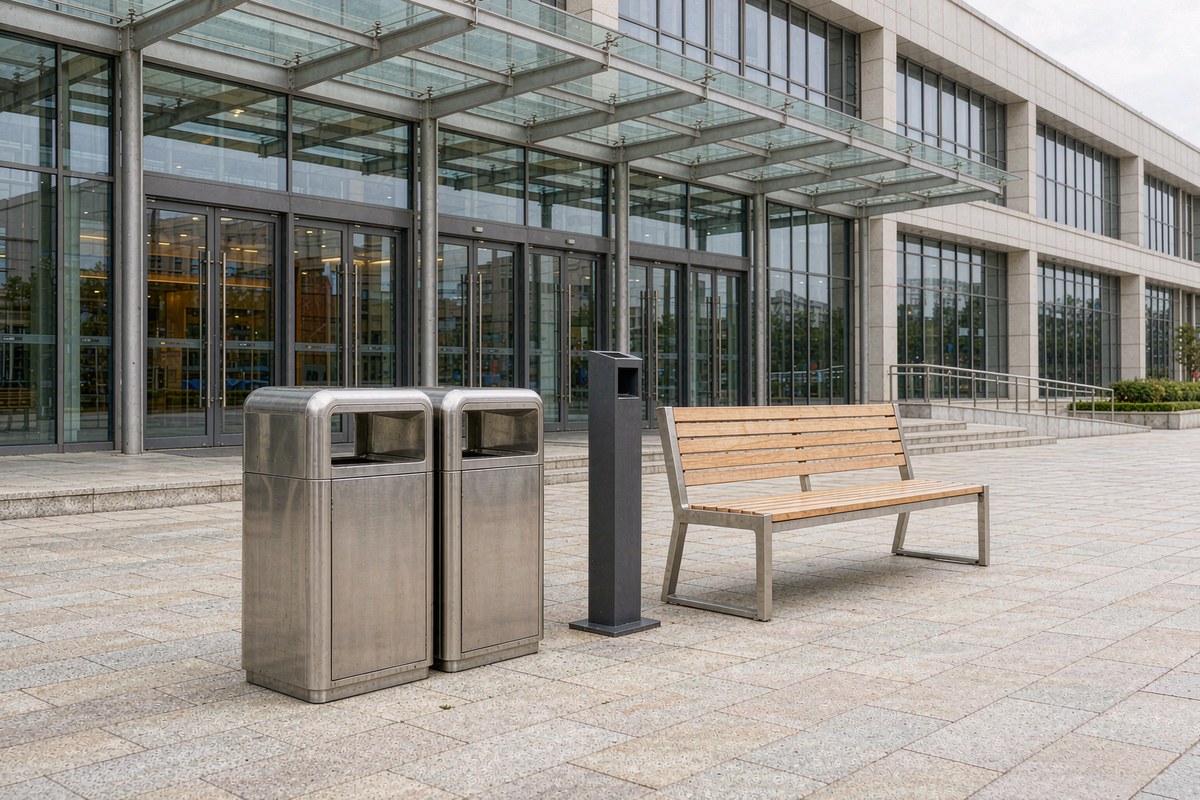
Wave-loaded crowds, narrow cleaning windows and trolley traffic — how to specify bins, benches and ash columns that keep an interchange entrance presentable.
Read the case study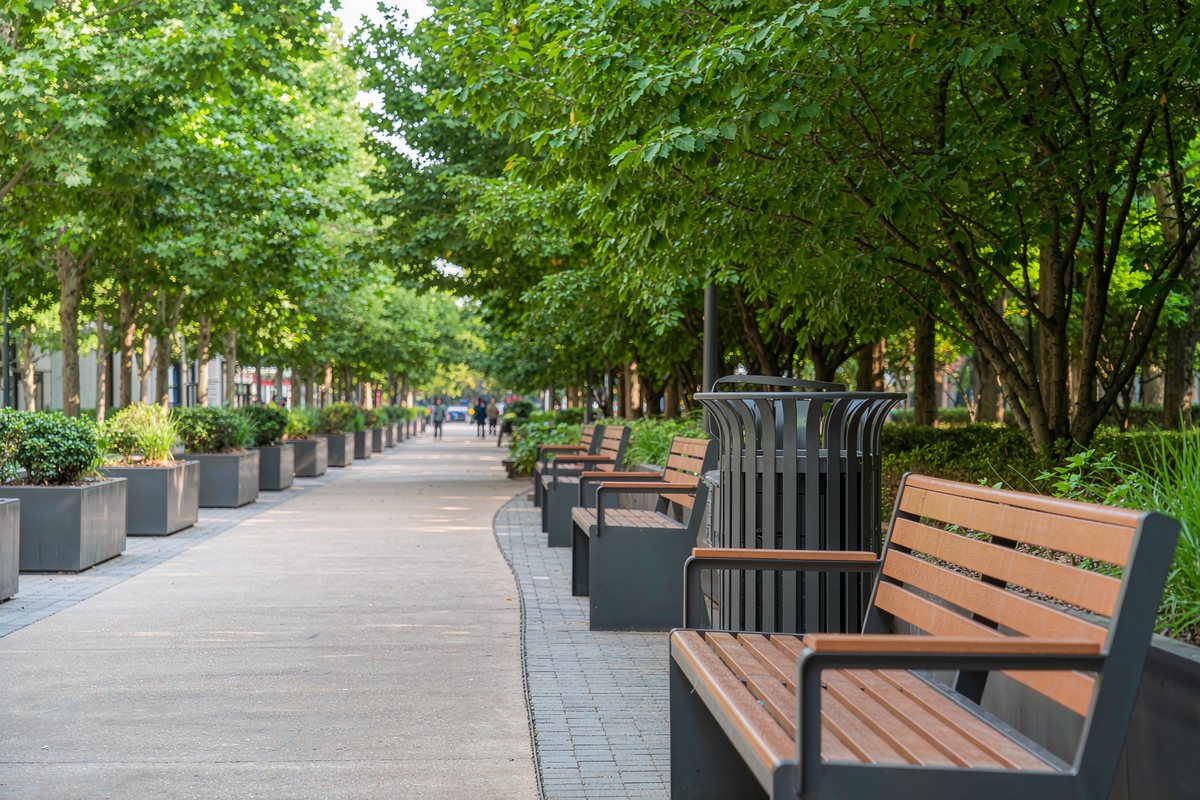
Zone by demand, not by area: bin counts, bench clusters and repair-friendly materials that survive student life across a campus.
Read the case study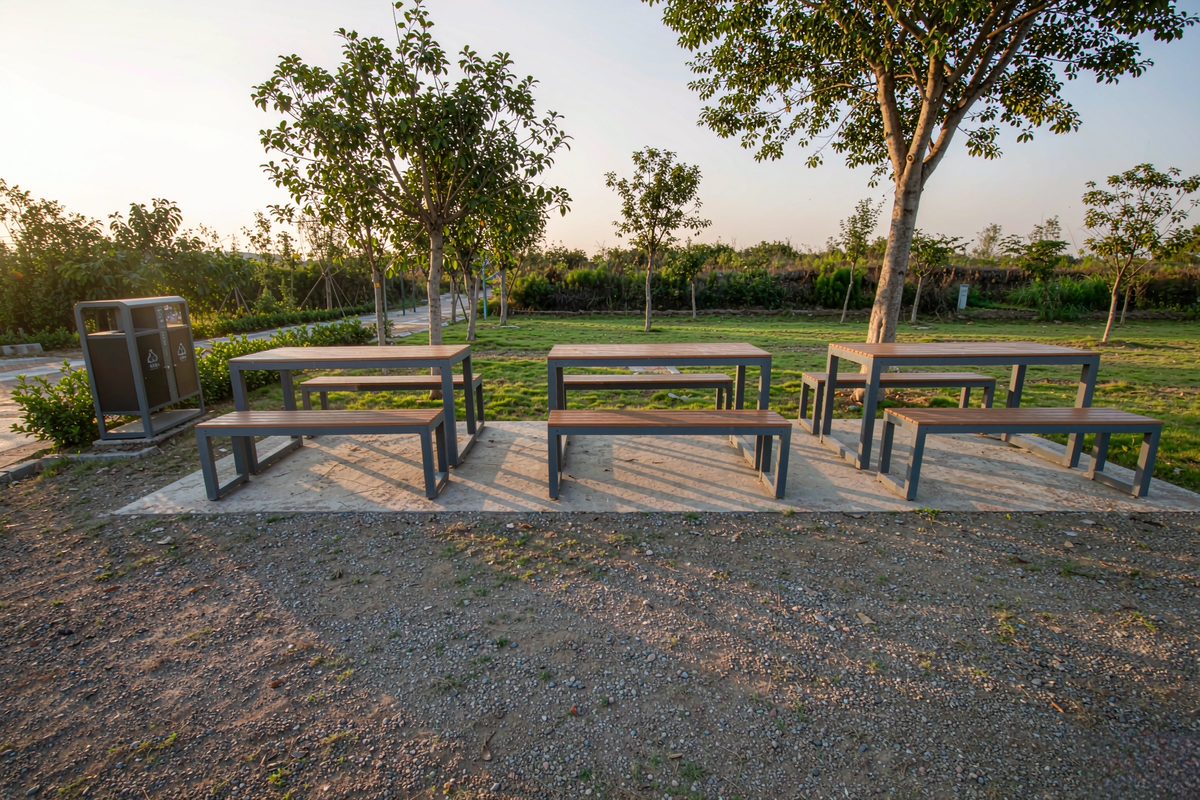
Seats from peak-hour demand, 1.2 m of clear circulation, and bins at the edges people already cross — the three decisions that make a picnic area work.
Read the case study
Hooded bin openings, UV-stable slats and node-based siting — how high-altitude trails change the specification for bins and benches.
Read the case study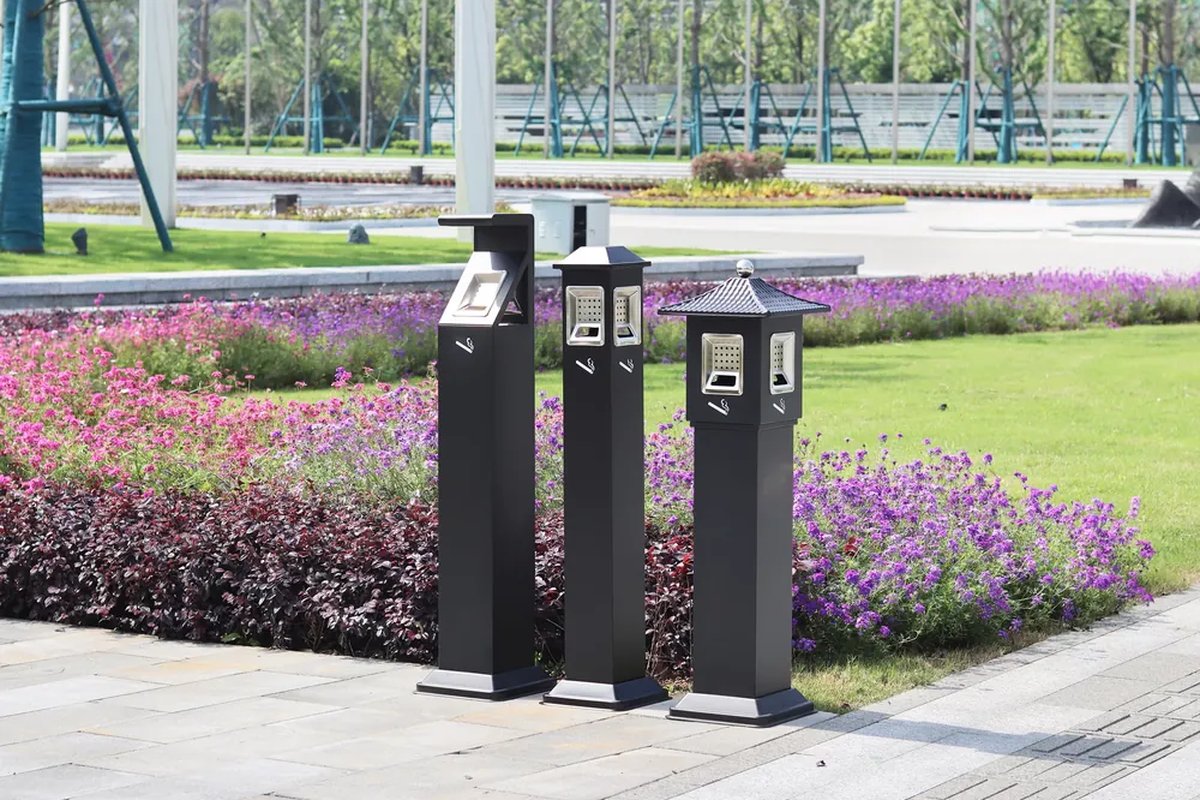
Siting beats everything: put ash columns where smokers stop, match the liner to the emptying round, and pair each cluster with a litter bin.
Read the case study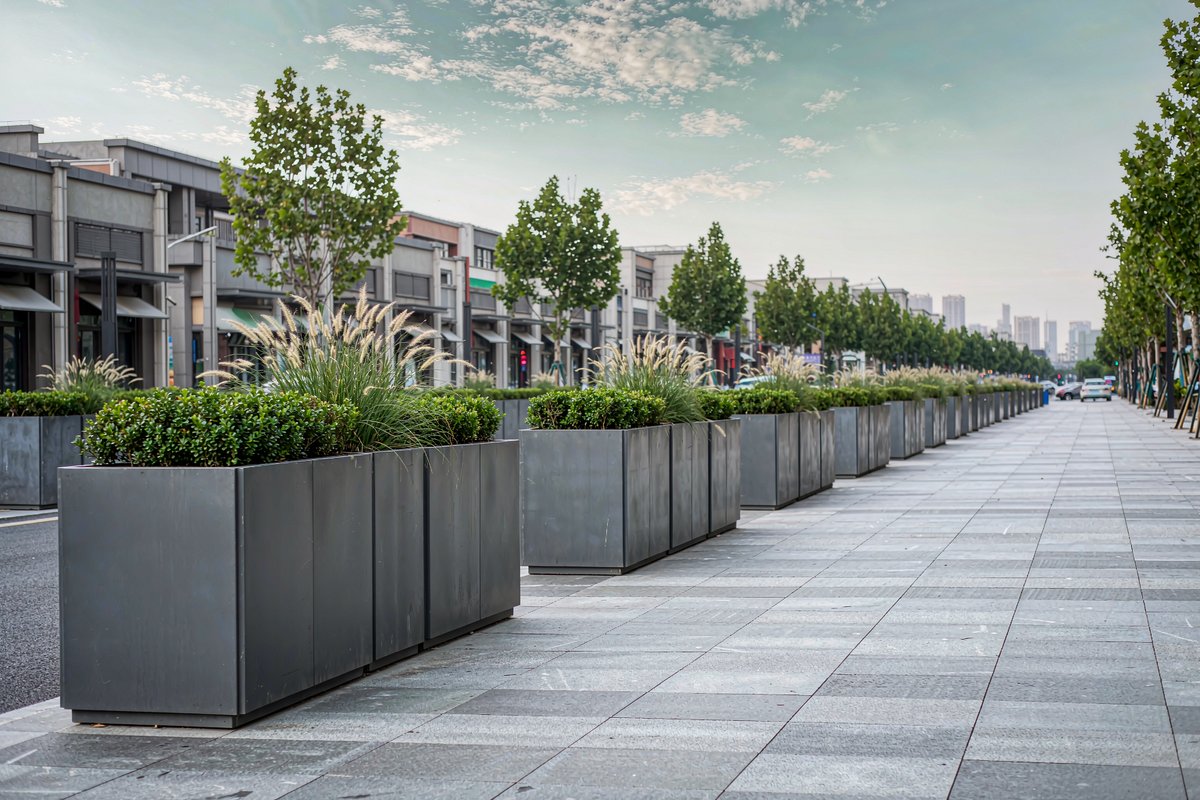
Continuous runs of heavy steel planters define the edge and deter casual parking — without blocking shopfronts, deliveries or sightlines.
Read the case study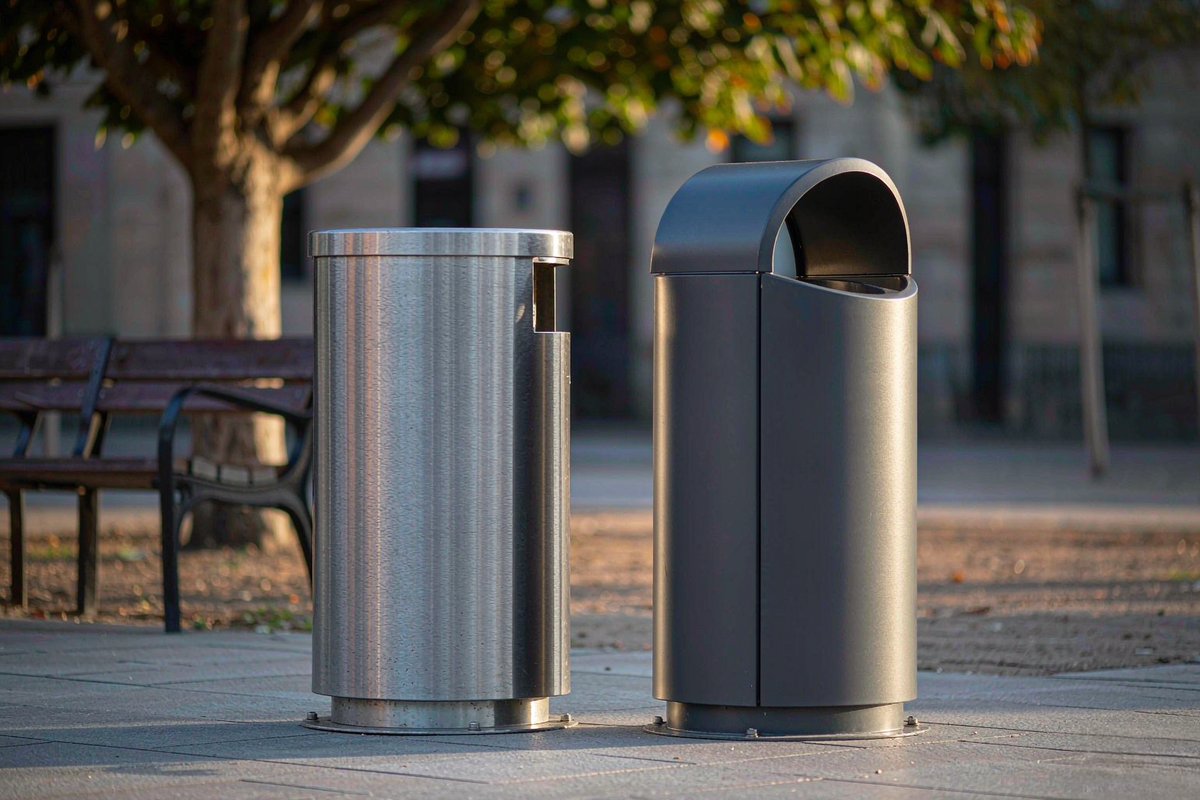
Salt air eats coatings and scratches start rust — how the two most common steel finishes really compare on corrosion, cost and upkeep.
Read the case study
420–450 mm covers most users — when to go higher for seniors, and the measurement detail most specifications get wrong.
Read the case study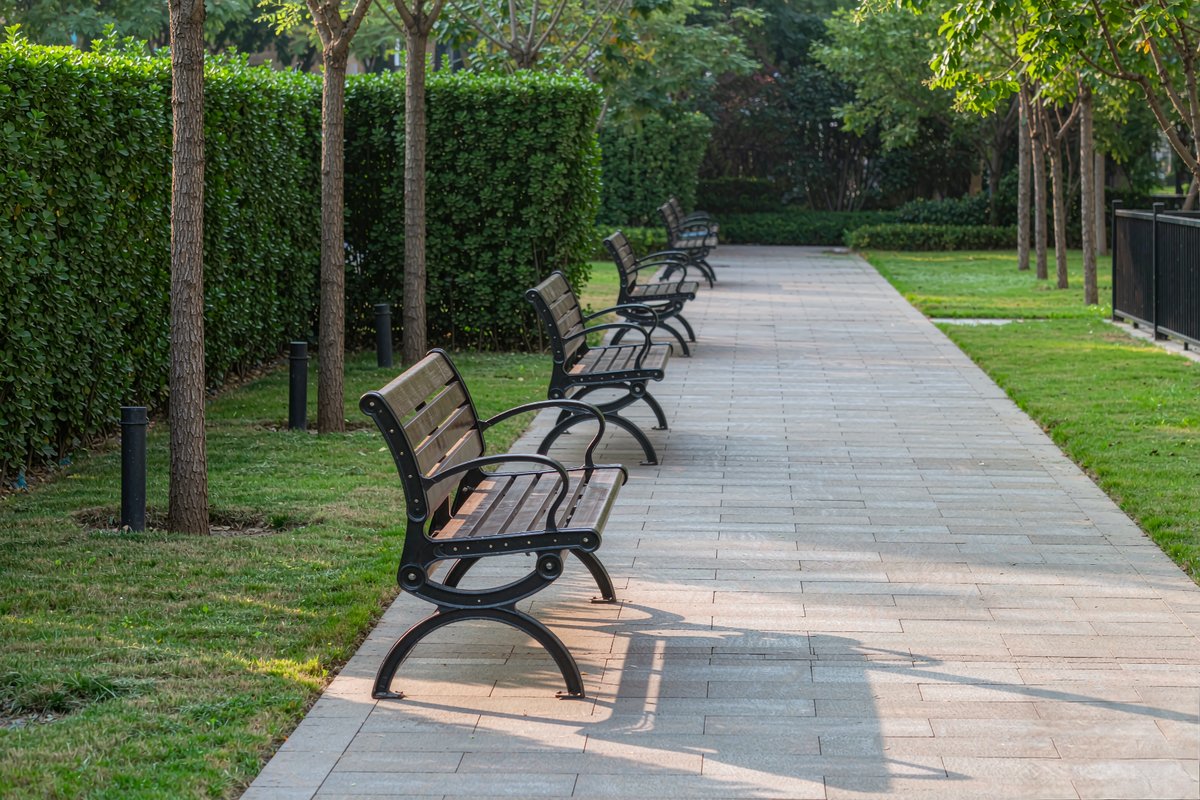
A 1–2 minute walk between seats, clusters at every destination — spacing rules that follow visitor behaviour instead of a fixed grid.
Read the case study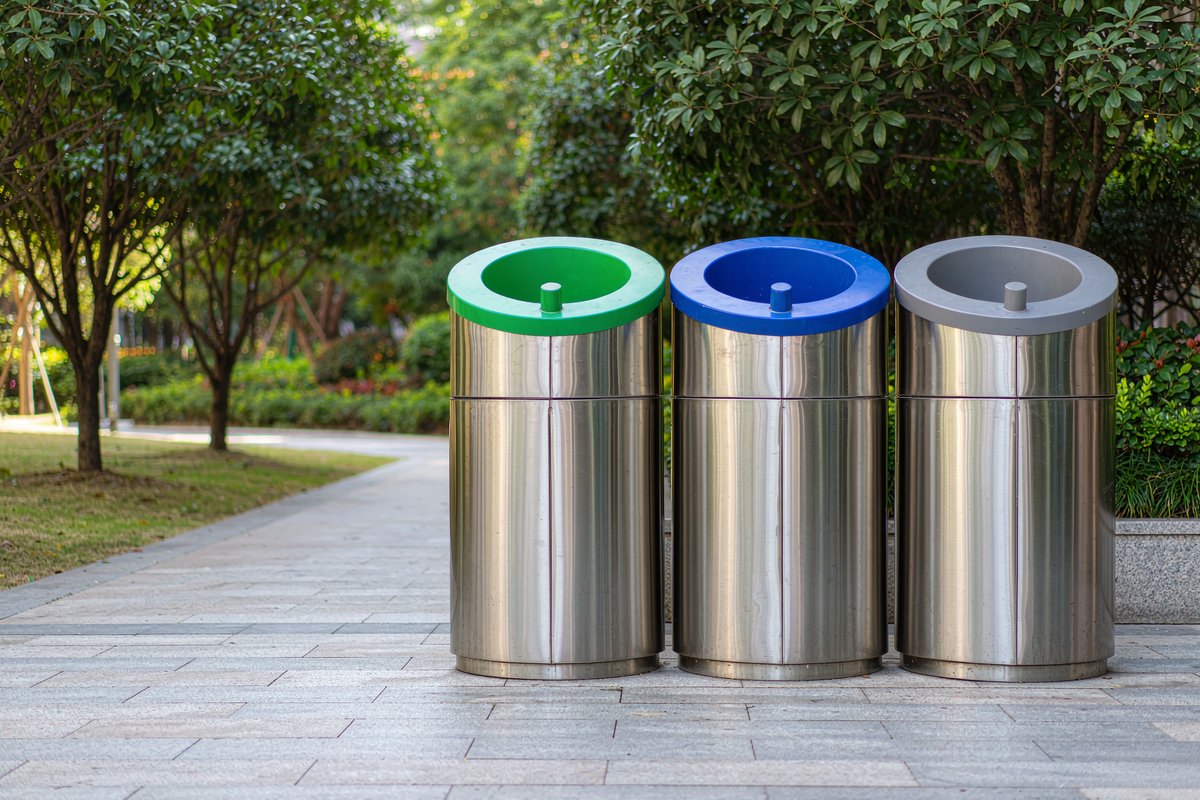
Recyclables, general waste, organics — which stream count fits entrances, plazas and food courts, and where each station belongs.
Read the case study
Salt air punishes the wrong specification — how to choose between 316 stainless and powder-coated steel, and what to check on fixings.
Read the case study
Greying, raised grain and peeling film finishes — a seasonal sand-and-oil routine that keeps hardwood slats serviceable.
Read the case studyLooking for a specific scene? Tell us your project type and we’ll share the closest references.
Talk to our team